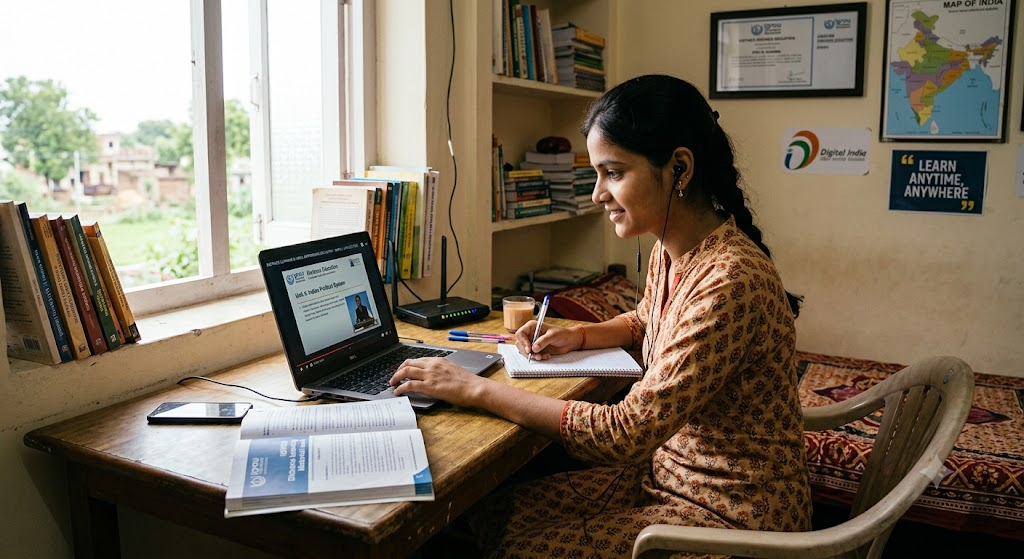
• Best Online MCA Course in Delhi


    The Online MCA course in Delhi is an excellent choice for students and working professionals who want to build a successful career in the IT sector. These programs provide flexible learning, industry-oriented curriculum, and knowledge of advanced technologies like programming, data science, artificial intelligence, and software development. Leading universities offer online MCA programs with expert faculty, digital learning resources, and career support. Popular choices include recognized institutions such as IGNOU, Amity University Online, and other UGC-approved universities. An Online MCA helps learners enhance technical skills while managing their professional and personal commitments. https://www.mcmacademy.in/blog/online-mca-in-delhi/
    Best Online MCA Course in Delhi The Online MCA course in Delhi is an excellent choice for students and working professionals who want to build a successful career in the IT sector. These programs provide flexible learning, industry-oriented curriculum, and knowledge of advanced technologies like programming, data science, artificial intelligence, and software development. Leading universities offer online MCA programs with expert faculty, digital learning resources, and career support. Popular choices include recognized institutions such as IGNOU, Amity University Online, and other UGC-approved universities. An Online MCA helps learners enhance technical skills while managing their professional and personal commitments. https://www.mcmacademy.in/blog/online-mca-in-delhi/
    0 Comments 0 Shares 16 Views 0 Reviews
  • The Daily Habits That Create Outstanding Performers


    Becoming a successful actor requires consistent practice, resilience, and a passion for personal growth. Developing professional habits every day creates stronger performances and greater confidence in auditions and productions. At Actors Hub Perth, students learn practical acting techniques that strengthen creativity and communication skills. Training at Actors Hub Perth WA encourages performers to embrace challenges while refining their craft through hands-on experience. Supported by an inspiring community, Actors Hub helps actors develop the discipline and professionalism required for a rewarding career in the entertainment industry.


    https://actorshubperth.weebly.com


    #ActorsHubPerth
    #ActorsHubPerthWA
    #ActorsHub
    The Daily Habits That Create Outstanding Performers Becoming a successful actor requires consistent practice, resilience, and a passion for personal growth. Developing professional habits every day creates stronger performances and greater confidence in auditions and productions. At Actors Hub Perth, students learn practical acting techniques that strengthen creativity and communication skills. Training at Actors Hub Perth WA encourages performers to embrace challenges while refining their craft through hands-on experience. Supported by an inspiring community, Actors Hub helps actors develop the discipline and professionalism required for a rewarding career in the entertainment industry. https://actorshubperth.weebly.com #ActorsHubPerth #ActorsHubPerthWA #ActorsHub
    ACTORSHUBPERTH.WEEBLY.COM
    Blog
    Every remarkable actor shares one important characteristic: they never stop developing their craft. While audiences often focus on the final performance, the real work happens long before the lights...
    0 Comments 0 Shares 28 Views 0 Reviews
  • Watch these black college students find out in real time that they're not actually leftists
    by Cardinal Pritchard
    https://notthebee.com/article/watch-these-black-college-students-find-out-in-real-time-that-theyre-not-actually-leftists
    Watch these black college students find out in real time that they're not actually leftists by Cardinal Pritchard https://notthebee.com/article/watch-these-black-college-students-find-out-in-real-time-that-theyre-not-actually-leftists
    Like
    1
    0 Comments 0 Shares 22 Views 0 Reviews
  • Earn Your Bachelor's Degree with Flexible Learning


    A One Sitting Degree Program provides a flexible pathway for eligible candidates who want to complete graduation fast. It is especially beneficial for working professionals and students looking to continue their education while maintaining other commitments. Completing your graduation can enhance your career prospects, improve earning potential, and prepare you for advanced studies. Before enrolling, verify the university's recognition and eligibility requirements to ensure your qualification aligns with your future goals. Choosing a reputable institution helps you make a confident investment in your education and career. https://www.mcmacademy.in/one-sitting-degree/
    https://www.mcmacademy.in/
    Earn Your Bachelor's Degree with Flexible Learning A One Sitting Degree Program provides a flexible pathway for eligible candidates who want to complete graduation fast. It is especially beneficial for working professionals and students looking to continue their education while maintaining other commitments. Completing your graduation can enhance your career prospects, improve earning potential, and prepare you for advanced studies. Before enrolling, verify the university's recognition and eligibility requirements to ensure your qualification aligns with your future goals. Choosing a reputable institution helps you make a confident investment in your education and career. https://www.mcmacademy.in/one-sitting-degree/ https://www.mcmacademy.in/
    0 Comments 0 Shares 66 Views 0 Reviews
  • Teacher fired after questioning Kamloops unmarked graves claim seeks judicial review!
    After five years of professional persecution for questioning the Kamloops First Nation's initial claim to have discovered the remains of 215 former residential school students, veteran educator Jim McMurtry is taking his fight for constitutional protections to the B.C. Supreme Court.
    by Drea Humphrey
    🇨🇦 #MarkCarneyCantBeTrusted 🇨🇦
    🇨🇦 #SayingTheQuietPartOutLoud 🇨🇦
    🇨🇦 #JustSayNoMore 🇨🇦
    🇨🇦 #CarneyLies 🇨🇦
    🇨🇦 #ElbowsDown 🇨🇦


    https://www.rebelnews.com/teacher_fired_after_questioning_kamloops_unmarked_graves_claim_seeks_judicial_review
    Teacher fired after questioning Kamloops unmarked graves claim seeks judicial review! After five years of professional persecution for questioning the Kamloops First Nation's initial claim to have discovered the remains of 215 former residential school students, veteran educator Jim McMurtry is taking his fight for constitutional protections to the B.C. Supreme Court. by Drea Humphrey 🇨🇦 #MarkCarneyCantBeTrusted 🇨🇦 🇨🇦 #SayingTheQuietPartOutLoud 🇨🇦 🇨🇦 #JustSayNoMore 🇨🇦 🇨🇦 #CarneyLies 🇨🇦 🇨🇦 #ElbowsDown 🇨🇦 https://www.rebelnews.com/teacher_fired_after_questioning_kamloops_unmarked_graves_claim_seeks_judicial_review
    WWW.REBELNEWS.COM
    Teacher fired after questioning Kamloops unmarked graves claim seeks judicial review
    A former B.C. high school teacher is fighting back after losing his career for questioning the Tkʼemlúps te Secwépemc First Nation’s claim that 215 unmarked graves had been discovered at their former Kamloops Indian Residential School.
    Like
    1
    0 Comments 0 Shares 92 Views 0 Reviews
  • A BEd One Sitting Degree is a term used to describe accelerated or alternative pathways related to completing a Bachelor of Education qualification through available academic provisions, depending on the rules and policies of recognized universities. Students should understand that a complete BEd program generally follows prescribed duration, eligibility criteria, and regulatory requirements. Before enrolling, it is important to verify the recognition, approval status, and validity of the program.


    https://www.mcmacademy.in/b-ed-one-single-sitting-degree/
    A Bachelor of Education (BEd) is a professional teaching qualification designed for individuals who want to build a career in the education sector. The program helps develop teaching skills, classroom management techniques, educational psychology knowledge, and subject-specific teaching abilities. Flexible learning options may be available for eligible learners through approved modes of education.


    Key Highlights
    Helps eligible candidates pursue a career in teaching and education.
    Develops skills in teaching methods, classroom management, and educational practices.
    Useful for careers in schools, educational institutions, and training organizations.
    Flexible learning options may be available through recognized institutions.
    Can support career growth and professional development in the education field.
    Eligibility requirements depend on university and regulatory guidelines.
    Always verify university recognition and program validity before admission.
    A BEd One Sitting Degree is a term used to describe accelerated or alternative pathways related to completing a Bachelor of Education qualification through available academic provisions, depending on the rules and policies of recognized universities. Students should understand that a complete BEd program generally follows prescribed duration, eligibility criteria, and regulatory requirements. Before enrolling, it is important to verify the recognition, approval status, and validity of the program. https://www.mcmacademy.in/b-ed-one-single-sitting-degree/ A Bachelor of Education (BEd) is a professional teaching qualification designed for individuals who want to build a career in the education sector. The program helps develop teaching skills, classroom management techniques, educational psychology knowledge, and subject-specific teaching abilities. Flexible learning options may be available for eligible learners through approved modes of education. Key Highlights Helps eligible candidates pursue a career in teaching and education. Develops skills in teaching methods, classroom management, and educational practices. Useful for careers in schools, educational institutions, and training organizations. Flexible learning options may be available through recognized institutions. Can support career growth and professional development in the education field. Eligibility requirements depend on university and regulatory guidelines. Always verify university recognition and program validity before admission.
    WWW.MCMACADEMY.IN
    B.Ed One Single Sitting Degree
    B.Ed One Single Sitting Degree, Best Online B.Ed One Year 2022, UGC MHRD Approved University, Low Fees, Easy Syllabus, Apply Now
    0 Comments 0 Shares 277 Views 0 Reviews
  • MBA Distance Education Degree | UGC-Approved Courses


    An MBA distance education degree is a flexible and convenient option for graduates and working professionals who want to enhance their management skills without leaving their jobs or personal commitments. UGC-approved MBA distance education courses provide advanced knowledge in areas such as finance, marketing, human resources, operations, business analytics, and strategic management through accessible learning methods.


    These programs offer digital study materials, online resources, virtual academic support, and flexible schedules, allowing students to learn at their own pace. An MBA distance education degree helps learners develop leadership abilities, decision-making skills, and business expertise required for today’s competitive corporate environment. Suitable for professionals, entrepreneurs, and aspiring managers, these programs open career opportunities across industries and support career growth, promotions, and higher-level management roles. Choosing a recognized MBA distance education course can be a valuable step toward achieving long-term professional success. https://www.mcmacademy.in/mba-distance-education/
    MBA Distance Education Degree | UGC-Approved Courses An MBA distance education degree is a flexible and convenient option for graduates and working professionals who want to enhance their management skills without leaving their jobs or personal commitments. UGC-approved MBA distance education courses provide advanced knowledge in areas such as finance, marketing, human resources, operations, business analytics, and strategic management through accessible learning methods. These programs offer digital study materials, online resources, virtual academic support, and flexible schedules, allowing students to learn at their own pace. An MBA distance education degree helps learners develop leadership abilities, decision-making skills, and business expertise required for today’s competitive corporate environment. Suitable for professionals, entrepreneurs, and aspiring managers, these programs open career opportunities across industries and support career growth, promotions, and higher-level management roles. Choosing a recognized MBA distance education course can be a valuable step toward achieving long-term professional success. https://www.mcmacademy.in/mba-distance-education/
    WWW.MCMACADEMY.IN
    MBA Distance Education
    Achieve your career goals with an MBA Distance Education degree. UGC-approved, flexible business courses with affordable fees. Enroll today!
    0 Comments 0 Shares 340 Views 0 Reviews
  • Online & Distance Education Courses After an Education Gap: Complete Guide


    An education gap does not have to stop you from completing your degree. This blog explains how students can restart their education through online and distance learning. It covers eligibility, admission process, suitable courses, and practical tips for balancing studies with work or family responsibilities. Whether your gap is one year or several years, choosing the right programme can help you continue your education and work toward your career goals. https://www.mcmacademy.in/
    Online & Distance Education Courses After an Education Gap: Complete Guide An education gap does not have to stop you from completing your degree. This blog explains how students can restart their education through online and distance learning. It covers eligibility, admission process, suitable courses, and practical tips for balancing studies with work or family responsibilities. Whether your gap is one year or several years, choosing the right programme can help you continue your education and work toward your career goals. https://www.mcmacademy.in/
    0 Comments 0 Shares 257 Views 0 Reviews
  • HIV Prevention Services: Building Awareness, Reducing Risks, and Improving Community Health
    Introduction to HIV Prevention Services
    HIV Prevention Services are important healthcare initiatives designed to reduce the spread of Human Immunodeficiency Virus (HIV) and promote healthier communities. These services focus on prevention education, early testing, risk reduction, counseling NURS FPX 4065 Assessment 4, and connecting individuals with appropriate healthcare resources. By improving awareness and access to care, HIV prevention programs help individuals make informed decisions and protect their health.

    HIV remains a significant public health concern that requires continuous education and community-based interventions. Prevention is not only about reducing transmission but also about creating supportive healthcare environments where individuals feel comfortable seeking information, testing, and treatment. Effective prevention programs combine medical knowledge, public health strategies, and compassionate care to address the needs of diverse populations.

    For nursing students and healthcare professionals, understanding the importance of prevention initiatives is essential. Academic learning activities such as NURS FPX 4065 Assessment 5 focus on evaluating healthcare challenges, developing evidence-based solutions, and understanding how nursing interventions can improve population health outcomes.

    Importance of HIV Prevention Services in Public Health
    HIV Prevention Services play a major role in protecting individuals and communities from the impact of HIV. Prevention programs help reduce new infections by increasing awareness and encouraging behaviors that support better health.

    Education is one of the most effective tools in HIV prevention. Many misconceptions about HIV transmission can create fear and stigma. Accurate information helps individuals understand risk factors, prevention options, and the importance of regular healthcare visits.

    Access to HIV testing is another important aspect of prevention services. Testing allows individuals to understand their health status and seek appropriate support when necessary. Early identification helps improve healthcare management and reduces the possibility of further transmission.

    Public health organizations use HIV prevention programs to promote equal access to healthcare resources. These efforts are especially important for communities that may experience barriers related to healthcare availability, awareness, or social challenges.

    Goals and Objectives of HIV Prevention Services
    The main goal of HIV Prevention Services is to reduce the number of new HIV infections while improving overall health awareness. These programs are developed around several important objectives.

    A primary objective is increasing knowledge about HIV prevention. Educational programs provide individuals with information about transmission, prevention strategies, and available healthcare services.

    Another goal is encouraging regular HIV screening. Testing programs help identify infections early and allow individuals to connect with healthcare professionals for guidance and support.

    Reducing stigma is also an essential objective. Negative attitudes toward HIV can prevent individuals from seeking testing or discussing prevention options. Supportive healthcare environments encourage people to access services without fear of discrimination.

    HIV prevention initiatives also aim to provide counseling and ongoing support. Personalized guidance helps individuals understand their healthcare choices and develop prevention plans based on their needs.

    Role of Nurses in HIV Prevention Services
    Nurses are key contributors to successful HIV Prevention Services because they provide education, support NURS FPX 4065 Assessment 5, and direct patient care. Their communication skills and healthcare knowledge allow them to connect effectively with individuals and communities.

    One important nursing responsibility is patient education. Nurses explain HIV transmission, prevention methods, testing procedures, and available healthcare resources. Through clear communication, they help individuals make informed decisions about their health.

    Nurses also support early detection by encouraging regular testing and identifying individuals who may benefit from additional healthcare services. They work closely with other healthcare professionals to coordinate appropriate care.

    Another important role of nurses is reducing stigma. By providing respectful and nonjudgmental care, nurses create safe environments where individuals feel comfortable discussing sensitive health concerns.

    The concepts explored in NURS FPX 4065 Assessment 5 help nursing students understand how healthcare professionals can apply evidence-based strategies to address public health challenges such as HIV prevention.

    Key Components of HIV Prevention Services
    A comprehensive HIV Prevention Services program includes multiple strategies that work together to improve health outcomes.

    HIV Education and Awareness Programs
    Education programs provide essential information about HIV risks, prevention methods, and healthcare resources. These programs may be offered through healthcare facilities, schools, community organizations, and public health campaigns.

    Increasing awareness helps individuals recognize the importance of prevention and encourages healthier behaviors.

    HIV Testing and Early Detection
    Testing services are a critical part of HIV prevention. Accessible testing allows individuals to learn their health status and receive guidance from healthcare professionals.

    Early detection supports timely healthcare management and helps individuals take appropriate steps to protect their health and the health of others.

    Counseling and Support Services
    Counseling provides emotional support and practical guidance for individuals seeking HIV prevention resources. Healthcare professionals help individuals understand available options and develop personalized prevention strategies.

    Support services also help reduce anxiety and encourage continued engagement with healthcare systems.

    Community Outreach and Prevention Programs
    Community outreach helps bring HIV prevention resources closer to individuals who may have difficulty accessing traditional healthcare services. Outreach programs increase awareness, provide education, and connect people with testing and support services.

    Challenges in Implementing HIV Prevention Services
    Despite significant progress, HIV Prevention Services continue to face several challenges. Stigma, misinformation NURS FPX 4065 Assessment 6, limited healthcare access, and social barriers can reduce participation in prevention programs.

    Stigma remains a major concern because some individuals may avoid testing or treatment due to fear of judgment. Healthcare providers must promote confidentiality, respect, and inclusive care practices.

    Limited resources can also affect the availability of prevention services in some areas. Healthcare organizations must develop effective strategies to expand access and improve community engagement.

    Continuous evaluation and improvement are necessary to ensure that HIV prevention programs remain effective and responsive to changing healthcare needs.

    Future of HIV Prevention Services
    The future of HIV Prevention Services will focus on improving accessibility, expanding education, and using innovative healthcare technologies. Digital health tools, telehealth services, and community-based approaches can help more individuals access prevention resources.

    Healthcare systems will continue emphasizing prevention, early intervention, and patient-centered care. These approaches can improve health outcomes and reduce the impact of HIV on communities.

    For nursing professionals, understanding the principles associated with NURS FPX 4065 Assessment 5 supports the development of skills needed to design and implement effective healthcare interventions.

    Conclusion
    HIV Prevention Services are essential for reducing HIV transmission and promoting healthier communities. Through education, testing, counseling, and healthcare support, these programs empower individuals to make informed decisions and access necessary resources.

    Nurses play an important role in HIV prevention by providing education, reducing stigma, and supporting patient-centered care. The knowledge gained from NURS FPX 4065 Assessment 5 helps future healthcare professionals understand how evidence-based strategies can address complex public health issues.

    By strengthening prevention programs and expanding access to healthcare services, communities can continue improving HIV awareness, reducing risks, and promoting better health outcomes.
    HIV Prevention Services: Building Awareness, Reducing Risks, and Improving Community Health Introduction to HIV Prevention Services HIV Prevention Services are important healthcare initiatives designed to reduce the spread of Human Immunodeficiency Virus (HIV) and promote healthier communities. These services focus on prevention education, early testing, risk reduction, counseling NURS FPX 4065 Assessment 4, and connecting individuals with appropriate healthcare resources. By improving awareness and access to care, HIV prevention programs help individuals make informed decisions and protect their health. HIV remains a significant public health concern that requires continuous education and community-based interventions. Prevention is not only about reducing transmission but also about creating supportive healthcare environments where individuals feel comfortable seeking information, testing, and treatment. Effective prevention programs combine medical knowledge, public health strategies, and compassionate care to address the needs of diverse populations. For nursing students and healthcare professionals, understanding the importance of prevention initiatives is essential. Academic learning activities such as NURS FPX 4065 Assessment 5 focus on evaluating healthcare challenges, developing evidence-based solutions, and understanding how nursing interventions can improve population health outcomes. Importance of HIV Prevention Services in Public Health HIV Prevention Services play a major role in protecting individuals and communities from the impact of HIV. Prevention programs help reduce new infections by increasing awareness and encouraging behaviors that support better health. Education is one of the most effective tools in HIV prevention. Many misconceptions about HIV transmission can create fear and stigma. Accurate information helps individuals understand risk factors, prevention options, and the importance of regular healthcare visits. Access to HIV testing is another important aspect of prevention services. Testing allows individuals to understand their health status and seek appropriate support when necessary. Early identification helps improve healthcare management and reduces the possibility of further transmission. Public health organizations use HIV prevention programs to promote equal access to healthcare resources. These efforts are especially important for communities that may experience barriers related to healthcare availability, awareness, or social challenges. Goals and Objectives of HIV Prevention Services The main goal of HIV Prevention Services is to reduce the number of new HIV infections while improving overall health awareness. These programs are developed around several important objectives. A primary objective is increasing knowledge about HIV prevention. Educational programs provide individuals with information about transmission, prevention strategies, and available healthcare services. Another goal is encouraging regular HIV screening. Testing programs help identify infections early and allow individuals to connect with healthcare professionals for guidance and support. Reducing stigma is also an essential objective. Negative attitudes toward HIV can prevent individuals from seeking testing or discussing prevention options. Supportive healthcare environments encourage people to access services without fear of discrimination. HIV prevention initiatives also aim to provide counseling and ongoing support. Personalized guidance helps individuals understand their healthcare choices and develop prevention plans based on their needs. Role of Nurses in HIV Prevention Services Nurses are key contributors to successful HIV Prevention Services because they provide education, support NURS FPX 4065 Assessment 5, and direct patient care. Their communication skills and healthcare knowledge allow them to connect effectively with individuals and communities. One important nursing responsibility is patient education. Nurses explain HIV transmission, prevention methods, testing procedures, and available healthcare resources. Through clear communication, they help individuals make informed decisions about their health. Nurses also support early detection by encouraging regular testing and identifying individuals who may benefit from additional healthcare services. They work closely with other healthcare professionals to coordinate appropriate care. Another important role of nurses is reducing stigma. By providing respectful and nonjudgmental care, nurses create safe environments where individuals feel comfortable discussing sensitive health concerns. The concepts explored in NURS FPX 4065 Assessment 5 help nursing students understand how healthcare professionals can apply evidence-based strategies to address public health challenges such as HIV prevention. Key Components of HIV Prevention Services A comprehensive HIV Prevention Services program includes multiple strategies that work together to improve health outcomes. HIV Education and Awareness Programs Education programs provide essential information about HIV risks, prevention methods, and healthcare resources. These programs may be offered through healthcare facilities, schools, community organizations, and public health campaigns. Increasing awareness helps individuals recognize the importance of prevention and encourages healthier behaviors. HIV Testing and Early Detection Testing services are a critical part of HIV prevention. Accessible testing allows individuals to learn their health status and receive guidance from healthcare professionals. Early detection supports timely healthcare management and helps individuals take appropriate steps to protect their health and the health of others. Counseling and Support Services Counseling provides emotional support and practical guidance for individuals seeking HIV prevention resources. Healthcare professionals help individuals understand available options and develop personalized prevention strategies. Support services also help reduce anxiety and encourage continued engagement with healthcare systems. Community Outreach and Prevention Programs Community outreach helps bring HIV prevention resources closer to individuals who may have difficulty accessing traditional healthcare services. Outreach programs increase awareness, provide education, and connect people with testing and support services. Challenges in Implementing HIV Prevention Services Despite significant progress, HIV Prevention Services continue to face several challenges. Stigma, misinformation NURS FPX 4065 Assessment 6, limited healthcare access, and social barriers can reduce participation in prevention programs. Stigma remains a major concern because some individuals may avoid testing or treatment due to fear of judgment. Healthcare providers must promote confidentiality, respect, and inclusive care practices. Limited resources can also affect the availability of prevention services in some areas. Healthcare organizations must develop effective strategies to expand access and improve community engagement. Continuous evaluation and improvement are necessary to ensure that HIV prevention programs remain effective and responsive to changing healthcare needs. Future of HIV Prevention Services The future of HIV Prevention Services will focus on improving accessibility, expanding education, and using innovative healthcare technologies. Digital health tools, telehealth services, and community-based approaches can help more individuals access prevention resources. Healthcare systems will continue emphasizing prevention, early intervention, and patient-centered care. These approaches can improve health outcomes and reduce the impact of HIV on communities. For nursing professionals, understanding the principles associated with NURS FPX 4065 Assessment 5 supports the development of skills needed to design and implement effective healthcare interventions. Conclusion HIV Prevention Services are essential for reducing HIV transmission and promoting healthier communities. Through education, testing, counseling, and healthcare support, these programs empower individuals to make informed decisions and access necessary resources. Nurses play an important role in HIV prevention by providing education, reducing stigma, and supporting patient-centered care. The knowledge gained from NURS FPX 4065 Assessment 5 helps future healthcare professionals understand how evidence-based strategies can address complex public health issues. By strengthening prevention programs and expanding access to healthcare services, communities can continue improving HIV awareness, reducing risks, and promoting better health outcomes.
    Like
    1
    0 Comments 0 Shares 555 Views 0 Reviews
  • Hearing Assessment Center: Improving Hearing Health Through Early Detection and Care
    Hearing plays a vital role in communication, learning, social interaction, and overall quality of life. However, hearing difficulties can affect individuals of all ages and may develop gradually without immediate awareness. A Hearing Assessment Center provides essential services that help identify hearing concerns NURS FPX 4000 Assessment 4, evaluate auditory health, and connect individuals with appropriate support and treatment options.

    Healthcare professionals are responsible for recognizing the importance of early detection and patient-centered care when addressing hearing-related challenges. Academic learning experiences such as NURS FPX 4000 Assessment 5 help nursing students understand healthcare evaluation, patient support strategies, and the importance of developing effective health interventions. By applying evidence-based approaches, nurses can contribute to improved hearing health outcomes and better patient experiences.

    Understanding the Role of a Hearing Assessment Center
    A Hearing Assessment Center is a specialized healthcare facility that focuses on evaluating hearing abilities and identifying potential auditory problems. These centers provide professional hearing assessments, patient education, and guidance for individuals experiencing hearing difficulties.

    Hearing loss may result from various factors, including aging, exposure to loud sounds, infections, injuries, genetic conditions, or certain medications. Because hearing changes can occur slowly, many individuals may not recognize a problem until it affects communication and daily activities.

    A Hearing Assessment Center helps detect hearing issues at an early stage. Early identification allows healthcare professionals to recommend suitable interventions that can improve communication, independence, and overall quality of life.

    Importance of Hearing Assessments in Healthcare
    Regular hearing assessments are an important part of preventive healthcare. Just as individuals receive routine vision checks and health screenings, hearing evaluations help identify potential concerns before they become more serious.

    Untreated hearing difficulties can affect emotional well-being, social relationships, and cognitive health. Individuals with hearing challenges may experience frustration, isolation, or difficulty participating in conversations. Early assessment allows healthcare providers to address these concerns and provide appropriate support.

    Through NURS FPX 4000 Assessment 5, nursing students explore the importance of healthcare assessments and the development of strategies that improve patient outcomes. Understanding hearing health allows nurses to recognize symptoms, provide education, and support individuals in accessing appropriate services.

    Services Offered by a Hearing Assessment Center
    A Hearing Assessment Center provides a range of services designed to evaluate and support hearing health.

    Comprehensive Hearing Evaluations
    One of the primary services offered by a Hearing Assessment Center is a complete hearing evaluation. Healthcare professionals use specialized tools and techniques to measure hearing ability and identify areas of concern.

    These assessments help determine the type and severity of hearing loss. The results guide healthcare providers in recommending appropriate solutions based on individual needs.

    Hearing Health Education
    Education is an important part of hearing care. Hearing Assessment Centers provide information about hearing protection, communication strategies, and ways to maintain healthy hearing habits.

    Patients learn how factors such as noise exposure and lifestyle choices can influence hearing health. Education empowers individuals to take preventive steps and seek care when necessary.

    Hearing Device Support and Guidance
    For individuals experiencing hearing loss, assistive devices may improve communication and daily functioning. Hearing Assessment Centers provide guidance about available options and help patients understand how these devices can support their needs.

    Healthcare professionals also provide information about proper use, maintenance, and adjustment to hearing support technologies.

    Referrals and Ongoing Care
    Some hearing concerns may require additional medical attention. Hearing Assessment Centers can connect patients with specialists and coordinate care when further evaluation or treatment is needed.

    Ongoing support ensures that individuals receive continuous care and adjustments based on changes in their hearing needs.

    The Role of Nurses in Hearing Health Services
    Nurses play an important role in promoting awareness and supporting individuals with hearing concerns. Their responsibilities include patient education, health assessments, communication support, and care coordination.

    Nurses often interact with patients across different healthcare settings, allowing them to identify possible hearing difficulties and recommend further evaluation. They can also help patients and families understand the impact of hearing health on overall wellness.

    The knowledge gained from NURS FPX 4000 Assessment 5 helps nursing professionals develop stronger assessment skills and understand how healthcare services can be improved through patient-centered approaches. Nurses contribute to better outcomes by ensuring that hearing concerns are recognized and addressed.

    Benefits of Early Hearing Assessment
    Early hearing assessment provides many benefits for individuals and communities. Identifying hearing problems early allows individuals to access support before difficulties significantly affect their daily lives.

    Improved hearing support can enhance communication, increase confidence, and strengthen relationships. For children, early detection can support language development and academic success. For adults and older individuals, addressing hearing concerns can promote independence and social engagement.

    Hearing assessments also contribute to preventive healthcare by identifying possible underlying health concerns that may require further attention.

    Challenges in Accessing Hearing Assessment Services
    Although hearing assessments are valuable, some individuals may face barriers when seeking care. Common challenges include limited awareness NURS FPX 4000 Assessment 5, financial concerns, lack of access to specialized services, and the belief that hearing difficulties are a normal part of aging.

    Healthcare professionals can help overcome these challenges through education, community outreach, and improved access to hearing health resources. Increasing awareness encourages individuals to seek evaluation before hearing concerns become more difficult to manage.

    The concepts discussed in NURS FPX 4000 Assessment 5 emphasize the importance of identifying healthcare barriers and developing solutions that improve accessibility and patient care.

    Future of Hearing Assessment Centers
    The future of hearing healthcare will continue to benefit from advancements in technology and patient-centered care. Digital hearing tools, improved assessment methods, and telehealth options are expanding access to hearing services.

    Hearing Assessment Centers will remain important healthcare resources by combining advanced technology with professional expertise. Nurses and other healthcare providers will continue supporting individuals through education, assessment, and coordinated care.

    Conclusion
    A Hearing Assessment Center plays a crucial role in protecting hearing health through early detection, professional evaluation, and patient support. These centers help individuals understand their hearing needs and access resources that improve communication and quality of life.

    The principles explored in NURS FPX 4000 Assessment 5 highlight the importance of healthcare assessment, evidence-based care, and patient-focused interventions. Through collaboration among nurses, healthcare professionals, and specialized hearing services, more individuals can receive timely support for their hearing health.

    Early assessment and continued awareness can help create healthier communities where individuals maintain strong communication abilities and improved overall well-being.

    Hearing Assessment Center: Improving Hearing Health Through Early Detection and Care Hearing plays a vital role in communication, learning, social interaction, and overall quality of life. However, hearing difficulties can affect individuals of all ages and may develop gradually without immediate awareness. A Hearing Assessment Center provides essential services that help identify hearing concerns NURS FPX 4000 Assessment 4, evaluate auditory health, and connect individuals with appropriate support and treatment options. Healthcare professionals are responsible for recognizing the importance of early detection and patient-centered care when addressing hearing-related challenges. Academic learning experiences such as NURS FPX 4000 Assessment 5 help nursing students understand healthcare evaluation, patient support strategies, and the importance of developing effective health interventions. By applying evidence-based approaches, nurses can contribute to improved hearing health outcomes and better patient experiences. Understanding the Role of a Hearing Assessment Center A Hearing Assessment Center is a specialized healthcare facility that focuses on evaluating hearing abilities and identifying potential auditory problems. These centers provide professional hearing assessments, patient education, and guidance for individuals experiencing hearing difficulties. Hearing loss may result from various factors, including aging, exposure to loud sounds, infections, injuries, genetic conditions, or certain medications. Because hearing changes can occur slowly, many individuals may not recognize a problem until it affects communication and daily activities. A Hearing Assessment Center helps detect hearing issues at an early stage. Early identification allows healthcare professionals to recommend suitable interventions that can improve communication, independence, and overall quality of life. Importance of Hearing Assessments in Healthcare Regular hearing assessments are an important part of preventive healthcare. Just as individuals receive routine vision checks and health screenings, hearing evaluations help identify potential concerns before they become more serious. Untreated hearing difficulties can affect emotional well-being, social relationships, and cognitive health. Individuals with hearing challenges may experience frustration, isolation, or difficulty participating in conversations. Early assessment allows healthcare providers to address these concerns and provide appropriate support. Through NURS FPX 4000 Assessment 5, nursing students explore the importance of healthcare assessments and the development of strategies that improve patient outcomes. Understanding hearing health allows nurses to recognize symptoms, provide education, and support individuals in accessing appropriate services. Services Offered by a Hearing Assessment Center A Hearing Assessment Center provides a range of services designed to evaluate and support hearing health. Comprehensive Hearing Evaluations One of the primary services offered by a Hearing Assessment Center is a complete hearing evaluation. Healthcare professionals use specialized tools and techniques to measure hearing ability and identify areas of concern. These assessments help determine the type and severity of hearing loss. The results guide healthcare providers in recommending appropriate solutions based on individual needs. Hearing Health Education Education is an important part of hearing care. Hearing Assessment Centers provide information about hearing protection, communication strategies, and ways to maintain healthy hearing habits. Patients learn how factors such as noise exposure and lifestyle choices can influence hearing health. Education empowers individuals to take preventive steps and seek care when necessary. Hearing Device Support and Guidance For individuals experiencing hearing loss, assistive devices may improve communication and daily functioning. Hearing Assessment Centers provide guidance about available options and help patients understand how these devices can support their needs. Healthcare professionals also provide information about proper use, maintenance, and adjustment to hearing support technologies. Referrals and Ongoing Care Some hearing concerns may require additional medical attention. Hearing Assessment Centers can connect patients with specialists and coordinate care when further evaluation or treatment is needed. Ongoing support ensures that individuals receive continuous care and adjustments based on changes in their hearing needs. The Role of Nurses in Hearing Health Services Nurses play an important role in promoting awareness and supporting individuals with hearing concerns. Their responsibilities include patient education, health assessments, communication support, and care coordination. Nurses often interact with patients across different healthcare settings, allowing them to identify possible hearing difficulties and recommend further evaluation. They can also help patients and families understand the impact of hearing health on overall wellness. The knowledge gained from NURS FPX 4000 Assessment 5 helps nursing professionals develop stronger assessment skills and understand how healthcare services can be improved through patient-centered approaches. Nurses contribute to better outcomes by ensuring that hearing concerns are recognized and addressed. Benefits of Early Hearing Assessment Early hearing assessment provides many benefits for individuals and communities. Identifying hearing problems early allows individuals to access support before difficulties significantly affect their daily lives. Improved hearing support can enhance communication, increase confidence, and strengthen relationships. For children, early detection can support language development and academic success. For adults and older individuals, addressing hearing concerns can promote independence and social engagement. Hearing assessments also contribute to preventive healthcare by identifying possible underlying health concerns that may require further attention. Challenges in Accessing Hearing Assessment Services Although hearing assessments are valuable, some individuals may face barriers when seeking care. Common challenges include limited awareness NURS FPX 4000 Assessment 5, financial concerns, lack of access to specialized services, and the belief that hearing difficulties are a normal part of aging. Healthcare professionals can help overcome these challenges through education, community outreach, and improved access to hearing health resources. Increasing awareness encourages individuals to seek evaluation before hearing concerns become more difficult to manage. The concepts discussed in NURS FPX 4000 Assessment 5 emphasize the importance of identifying healthcare barriers and developing solutions that improve accessibility and patient care. Future of Hearing Assessment Centers The future of hearing healthcare will continue to benefit from advancements in technology and patient-centered care. Digital hearing tools, improved assessment methods, and telehealth options are expanding access to hearing services. Hearing Assessment Centers will remain important healthcare resources by combining advanced technology with professional expertise. Nurses and other healthcare providers will continue supporting individuals through education, assessment, and coordinated care. Conclusion A Hearing Assessment Center plays a crucial role in protecting hearing health through early detection, professional evaluation, and patient support. These centers help individuals understand their hearing needs and access resources that improve communication and quality of life. The principles explored in NURS FPX 4000 Assessment 5 highlight the importance of healthcare assessment, evidence-based care, and patient-focused interventions. Through collaboration among nurses, healthcare professionals, and specialized hearing services, more individuals can receive timely support for their hearing health. Early assessment and continued awareness can help create healthier communities where individuals maintain strong communication abilities and improved overall well-being.

    0 Comments 0 Shares 501 Views 0 Reviews
More Results
Sponsored
FriendVu https://friendvu.com