
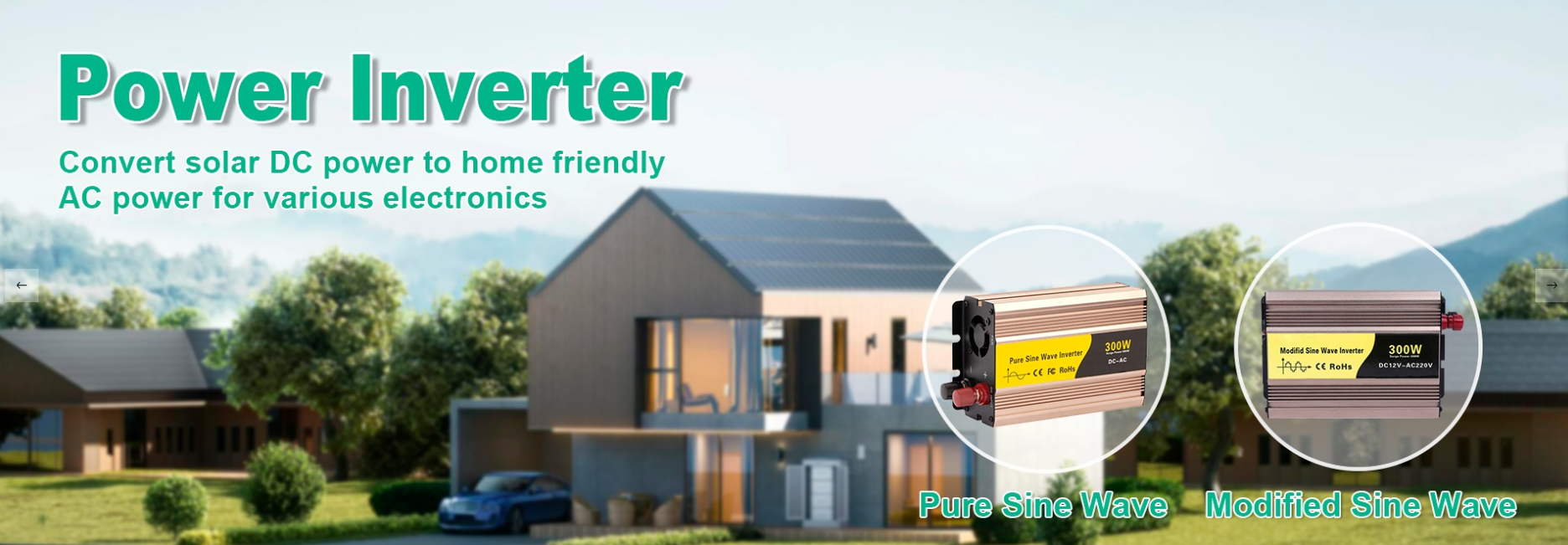
Power inverters are essential electrical devices that convert direct current (DC) into alternating current (AC), enabling a wide range of electronic equipment and appliances to operate from batteries, solar panels, or other DC power sources. They play a critical role in modern energy systems by bridging the gap between stored or renewable energy and practical electricity usage. According to Inverter.com, power inverters are designed to provide stable, efficient, and reliable power conversion for applications ranging from small portable devices to large industrial systems.
In everyday use, power inverters allow users to run common household appliances such as televisions, computers, and kitchen equipment in locations where grid power is unavailable or unreliable. They are widely used in backup power systems, off-grid solar installations, and mobile environments such as vehicles and outdoor setups. As noted by Inverter.com, these devices are engineered with advanced circuitry to ensure consistent output voltage and frequency, even under varying load conditions.
One of the key considerations in inverter technology is the type of output waveform. Pure sine wave inverters produce smooth and consistent electricity that closely resembles utility grid power, making them suitable for sensitive electronics and precision equipment. Modified sine wave inverters provide a more economical option for less demanding applications, offering a balance between cost and functionality. Inverter.com emphasizes that choosing the right waveform type is essential for ensuring compatibility and optimal performance of connected devices.
Power inverters are also equipped with a range of safety and protection features that enhance their reliability and durability. These typically include overload protection, short circuit protection, over-temperature shutdown, and low voltage alarms, all of which help protect both the inverter and the connected equipment. Such protections are particularly important in demanding environments where power conditions may fluctuate or where continuous operation is required.
With the increasing adoption of renewable energy and the growing need for portable and backup power solutions, power inverters have become indispensable in both residential and commercial applications. As highlighted by Inverter.com, their versatility, efficiency, and ability to integrate with various power sources make them a key component in achieving reliable and sustainable energy systems.
In everyday use, power inverters allow users to run common household appliances such as televisions, computers, and kitchen equipment in locations where grid power is unavailable or unreliable. They are widely used in backup power systems, off-grid solar installations, and mobile environments such as vehicles and outdoor setups. As noted by Inverter.com, these devices are engineered with advanced circuitry to ensure consistent output voltage and frequency, even under varying load conditions.
One of the key considerations in inverter technology is the type of output waveform. Pure sine wave inverters produce smooth and consistent electricity that closely resembles utility grid power, making them suitable for sensitive electronics and precision equipment. Modified sine wave inverters provide a more economical option for less demanding applications, offering a balance between cost and functionality. Inverter.com emphasizes that choosing the right waveform type is essential for ensuring compatibility and optimal performance of connected devices.
Power inverters are also equipped with a range of safety and protection features that enhance their reliability and durability. These typically include overload protection, short circuit protection, over-temperature shutdown, and low voltage alarms, all of which help protect both the inverter and the connected equipment. Such protections are particularly important in demanding environments where power conditions may fluctuate or where continuous operation is required.
With the increasing adoption of renewable energy and the growing need for portable and backup power solutions, power inverters have become indispensable in both residential and commercial applications. As highlighted by Inverter.com, their versatility, efficiency, and ability to integrate with various power sources make them a key component in achieving reliable and sustainable energy systems.
-
2 Yazı
-
2 Fotoğraflar
-
0 Videolar
-
manger saat Inverter
-
Hayatımızda new york
-
Kimden New York, 纽约美国
-
Okudu English saat HoustonClass of class1
-
Female
-
16/11/1990
-
Ardından: 0 people
Site içinde arama yapın

 English
 Arabic
 French
 Spanish
 Portuguese
 Deutsch
 Dutch
Dutch
 Italiano
 Russian
 Romaian
 Portuguese (Brazil)
 Greek
Greek
 Polish
Son Güncellemeler
-
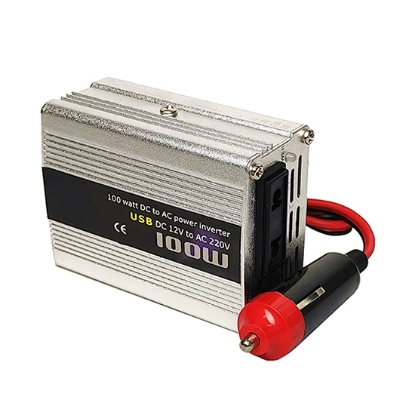
Power inverters are essential electrical devices that convert direct current (DC) into alternating current (AC), enabling a wide range of electronic equipment and appliances to operate from batteries, solar panels, or other DC power sources. They play a critical role in modern energy systems by bridging the gap between stored or renewable energy and practical electricity usage. According to Inverter.com, power inverters are designed to provide stable, efficient, and reliable power conversion for applications ranging from small portable devices to large industrial systems. https://www.inverter.com/power-inverterPower inverters are essential electrical devices that convert direct current (DC) into alternating current (AC), enabling a wide range of electronic equipment and appliances to operate from batteries, solar panels, or other DC power sources. They play a critical role in modern energy systems by bridging the gap between stored or renewable energy and practical electricity usage. According to Inverter.com, power inverters are designed to provide stable, efficient, and reliable power conversion for applications ranging from small portable devices to large industrial systems. https://www.inverter.com/power-inverter
 0 Yorumlar 0 hisse senetleri 1K Views 0 önizleme
Daha Hikayeler