
• Health Education: Empowering People to Make Informed Health Decisions
    Introduction
    Health Education is an essential part of promoting healthier individuals and communities. It provides people with reliable information and practical skills that can help them understand health risks, make informed decisions, and develop positive habits. Effective health education can address topics such as nutrition, physical activity, disease prevention, medication management, mental well-being DB FPX 8620 Assessment 4, and access to healthcare services.

    Healthcare organizations increasingly recognize that education is an important component of preventive and patient-centered care. Professionals developing healthcare leadership, organizational, and quality improvement skills through programs such as DB FPX 8620 Assessment 4 can apply these principles to design, evaluate, and improve health education initiatives.

    Understanding Health Education
    Health Education is the process of providing individuals and communities with knowledge and skills that support healthier choices. It can take place in hospitals, schools, workplaces, community centers, clinics, and online environments.

    Health education may focus on:

    Disease prevention
    Healthy nutrition
    Physical activity
    Personal hygiene
    Medication safety
    Mental well-being
    Chronic disease management
    Preventive healthcare
    The goal is not simply to provide information. Effective education helps people understand how health information applies to their own circumstances and what practical actions they can take.

    Importance of Health Education
    Health education plays an important role in prevention and early intervention. When people understand health risks and available resources, they may be better prepared to recognize concerns and seek appropriate professional support.

    Effective health education can help:

    Promote healthy behaviors
    Improve health literacy
    Reduce preventable risks
    Encourage preventive screenings
    Support chronic disease management
    Improve communication with healthcare providers
    Strengthen community health
    Education can also help individuals become active participants in their own healthcare.

    Health Literacy and Clear Communication
    Health literacy is closely connected to effective health education. People may struggle to make informed decisions if medical information is difficult to understand.

    Healthcare professionals can improve health literacy by using:

    Plain language
    Clear examples
    Visual materials
    Step-by-step instructions
    Opportunities for questions
    Appropriate educational resources
    Rather than overwhelming patients with technical information, educators should focus on the information most relevant to the individual's needs.

    Clear communication can improve understanding and help people feel more confident when managing health-related responsibilities.

    Role of Healthcare Professionals
    Many healthcare professionals contribute to health education. Nurses, physicians, pharmacists, dietitians, health educators, therapists, and community health workers may all provide education based on their areas of expertise.

    For example, nurses may educate patients about medications and recovery instructions. Dietitians may provide nutrition guidance, while pharmacists can explain medication use and potential concerns.

    Healthcare professionals should tailor education to the individual's age, language, cultural background, learning needs, and health condition.

    The leadership and organizational principles associated with DB FPX 8620 Assessment 4 can help professionals evaluate how educational services are delivered and identify opportunities to improve patient outcomes.

    Health Education in Communities
    Community-based education can reach people before serious health problems develop. Community programs may address topics such as nutrition DB FPX 8620 Assessment 5, exercise, vaccination, chronic disease prevention, and healthy lifestyles.

    Schools, workplaces, community organizations, and healthcare facilities can work together to provide accessible educational resources.

    Community health education can be especially valuable when programs are designed around local needs. Understanding the population's challenges, resources, and preferences allows organizations to develop more relevant initiatives.

    Technology and Health Education
    Technology has expanded access to health information. Websites, mobile applications, online courses, patient portals, and telehealth platforms can provide educational resources at convenient times.

    Digital health education may include:

    Online instructional videos
    Interactive learning materials
    Medication reminders
    Virtual classes
    Digital wellness programs
    Patient education portals
    However, digital information should come from reliable sources. Healthcare organizations should also consider privacy, accessibility, and differences in digital literacy.

    Technology should complement professional guidance rather than encourage people to rely on unreliable online information.

    Designing Effective Health Education Programs
    Successful health education programs should begin with clearly defined goals. Organizations need to understand what they want participants to learn or change.

    Important steps include:

    Assessing Needs
    Identify the population's health concerns, knowledge gaps, and barriers.

    Establishing Objectives
    Create specific and measurable learning goals.

    Selecting Educational Methods
    Choose appropriate formats, such as workshops, printed materials, digital resources, or one-on-one education.

    Delivering the Program
    Provide information in an accessible and engaging way.

    Evaluating Results
    Measure whether participants understood the material and whether the program achieved its objectives.

    Using a structured process helps organizations improve educational programs over time.

    Challenges in Health Education
    Health educators may encounter barriers such as misinformation, limited resources, language differences, low health literacy, and lack of community engagement.

    Another challenge is ensuring that information remains accurate as healthcare recommendations evolve.

    Organizations can address these issues through staff training, evidence-based materials, culturally responsive communication, and regular evaluation.

    Data can also help identify which educational strategies are most effective.

    Measuring Health Education Outcomes
    Evaluation is important because providing information does not automatically guarantee behavior change. Organizations should measure whether participants gained knowledge and whether the program influenced relevant health behaviors or outcomes.

    Possible measures include:

    Knowledge assessments
    Participation rates
    Patient feedback
    Behavioral indicators
    Screening participation
    Health outcome measures
    Professionals familiar with DB FPX 8620 Assessment 4 can use data and quality improvement principles to assess program performance and recommend improvements.

    Future of Health Education
    The future of health education will likely emphasize personalization, digital accessibility, interactive learning, and community partnerships. Artificial intelligence and data analytics may help organizations tailor educational resources to specific populations.

    Healthcare professionals will continue to play an important role in ensuring that information remains accurate, understandable, and relevant.

    Organizations that combine technology with human-centered communication can create more effective educational experiences.

    Conclusion
    Health Education empowers individuals and communities with the knowledge and skills needed to make informed health decisions. It supports prevention, health literacy, chronic disease management, and healthier behaviors.

    Successful health education requires clear communication, appropriate technology, community engagement, professional expertise, and continuous evaluation. The organizational and quality improvement concepts associated with DB FPX 8620 Assessment 4 can help professionals design and evaluate educational initiatives that respond to real community and patient needs.

    By making reliable health information accessible and understandable, healthcare organizations can empower people to participate more actively in their health and contribute to healthier communities.

    Health Education: Empowering People to Make Informed Health Decisions Introduction Health Education is an essential part of promoting healthier individuals and communities. It provides people with reliable information and practical skills that can help them understand health risks, make informed decisions, and develop positive habits. Effective health education can address topics such as nutrition, physical activity, disease prevention, medication management, mental well-being DB FPX 8620 Assessment 4, and access to healthcare services. Healthcare organizations increasingly recognize that education is an important component of preventive and patient-centered care. Professionals developing healthcare leadership, organizational, and quality improvement skills through programs such as DB FPX 8620 Assessment 4 can apply these principles to design, evaluate, and improve health education initiatives. Understanding Health Education Health Education is the process of providing individuals and communities with knowledge and skills that support healthier choices. It can take place in hospitals, schools, workplaces, community centers, clinics, and online environments. Health education may focus on: Disease prevention Healthy nutrition Physical activity Personal hygiene Medication safety Mental well-being Chronic disease management Preventive healthcare The goal is not simply to provide information. Effective education helps people understand how health information applies to their own circumstances and what practical actions they can take. Importance of Health Education Health education plays an important role in prevention and early intervention. When people understand health risks and available resources, they may be better prepared to recognize concerns and seek appropriate professional support. Effective health education can help: Promote healthy behaviors Improve health literacy Reduce preventable risks Encourage preventive screenings Support chronic disease management Improve communication with healthcare providers Strengthen community health Education can also help individuals become active participants in their own healthcare. Health Literacy and Clear Communication Health literacy is closely connected to effective health education. People may struggle to make informed decisions if medical information is difficult to understand. Healthcare professionals can improve health literacy by using: Plain language Clear examples Visual materials Step-by-step instructions Opportunities for questions Appropriate educational resources Rather than overwhelming patients with technical information, educators should focus on the information most relevant to the individual's needs. Clear communication can improve understanding and help people feel more confident when managing health-related responsibilities. Role of Healthcare Professionals Many healthcare professionals contribute to health education. Nurses, physicians, pharmacists, dietitians, health educators, therapists, and community health workers may all provide education based on their areas of expertise. For example, nurses may educate patients about medications and recovery instructions. Dietitians may provide nutrition guidance, while pharmacists can explain medication use and potential concerns. Healthcare professionals should tailor education to the individual's age, language, cultural background, learning needs, and health condition. The leadership and organizational principles associated with DB FPX 8620 Assessment 4 can help professionals evaluate how educational services are delivered and identify opportunities to improve patient outcomes. Health Education in Communities Community-based education can reach people before serious health problems develop. Community programs may address topics such as nutrition DB FPX 8620 Assessment 5, exercise, vaccination, chronic disease prevention, and healthy lifestyles. Schools, workplaces, community organizations, and healthcare facilities can work together to provide accessible educational resources. Community health education can be especially valuable when programs are designed around local needs. Understanding the population's challenges, resources, and preferences allows organizations to develop more relevant initiatives. Technology and Health Education Technology has expanded access to health information. Websites, mobile applications, online courses, patient portals, and telehealth platforms can provide educational resources at convenient times. Digital health education may include: Online instructional videos Interactive learning materials Medication reminders Virtual classes Digital wellness programs Patient education portals However, digital information should come from reliable sources. Healthcare organizations should also consider privacy, accessibility, and differences in digital literacy. Technology should complement professional guidance rather than encourage people to rely on unreliable online information. Designing Effective Health Education Programs Successful health education programs should begin with clearly defined goals. Organizations need to understand what they want participants to learn or change. Important steps include: Assessing Needs Identify the population's health concerns, knowledge gaps, and barriers. Establishing Objectives Create specific and measurable learning goals. Selecting Educational Methods Choose appropriate formats, such as workshops, printed materials, digital resources, or one-on-one education. Delivering the Program Provide information in an accessible and engaging way. Evaluating Results Measure whether participants understood the material and whether the program achieved its objectives. Using a structured process helps organizations improve educational programs over time. Challenges in Health Education Health educators may encounter barriers such as misinformation, limited resources, language differences, low health literacy, and lack of community engagement. Another challenge is ensuring that information remains accurate as healthcare recommendations evolve. Organizations can address these issues through staff training, evidence-based materials, culturally responsive communication, and regular evaluation. Data can also help identify which educational strategies are most effective. Measuring Health Education Outcomes Evaluation is important because providing information does not automatically guarantee behavior change. Organizations should measure whether participants gained knowledge and whether the program influenced relevant health behaviors or outcomes. Possible measures include: Knowledge assessments Participation rates Patient feedback Behavioral indicators Screening participation Health outcome measures Professionals familiar with DB FPX 8620 Assessment 4 can use data and quality improvement principles to assess program performance and recommend improvements. Future of Health Education The future of health education will likely emphasize personalization, digital accessibility, interactive learning, and community partnerships. Artificial intelligence and data analytics may help organizations tailor educational resources to specific populations. Healthcare professionals will continue to play an important role in ensuring that information remains accurate, understandable, and relevant. Organizations that combine technology with human-centered communication can create more effective educational experiences. Conclusion Health Education empowers individuals and communities with the knowledge and skills needed to make informed health decisions. It supports prevention, health literacy, chronic disease management, and healthier behaviors. Successful health education requires clear communication, appropriate technology, community engagement, professional expertise, and continuous evaluation. The organizational and quality improvement concepts associated with DB FPX 8620 Assessment 4 can help professionals design and evaluate educational initiatives that respond to real community and patient needs. By making reliable health information accessible and understandable, healthcare organizations can empower people to participate more actively in their health and contribute to healthier communities.

    0 Commentarii 0 Partajări 2K Vizualizări 0 Recenzii
  • Tuberculosis Control Program: Strengthening Prevention, Treatment, and Community Health
    Tuberculosis (TB) remains one of the most significant infectious diseases affecting communities worldwide. Although it is preventable and treatable, tuberculosis continues to create serious public health challenges due to its ability to spread through respiratory transmission and its potential for severe health complications. A well-structured Tuberculosis Control Program focuses on early detection, effective treatment, prevention strategies NURS FPX 4905 Assessment 4, and community education to reduce transmission and improve patient outcomes. For nursing students completing NURS FPX 4905 Assessment 5, understanding tuberculosis control initiatives is essential for developing effective healthcare interventions and promoting population health.

    Understanding Tuberculosis and Its Impact
    Tuberculosis is an infectious disease primarily caused by the bacterium Mycobacterium tuberculosis. It most commonly affects the lungs but can also impact other parts of the body. TB spreads through the air when an infected person with active pulmonary tuberculosis coughs, sneezes, or speaks.

    Common symptoms of tuberculosis include:

    Persistent cough lasting several weeks
    Chest pain
    Fatigue and weakness
    Fever
    Night sweats
    Unintentional weight loss
    Loss of appetite
    Without timely diagnosis and treatment, tuberculosis can lead to serious complications and increase the risk of transmission within families and communities.

    Purpose of a Tuberculosis Control Program
    A Tuberculosis Control Program is designed to reduce the spread of TB by combining prevention, screening, treatment, and education strategies. These programs aim to protect individuals at risk while ensuring that patients receive appropriate care.

    The primary goals include:

    Detecting tuberculosis cases early
    Providing effective treatment
    Preventing disease transmission
    Improving medication adherence
    Educating communities about TB prevention
    Supporting patients throughout recovery
    These goals align with the principles of public health nursing and community-based care emphasized in NURS FPX 4905 Assessment 5.

    Key Components of Tuberculosis Control Programs
    Successful TB control requires a coordinated approach involving healthcare providers, public health organizations, and communities.

    Early Screening and Diagnosis
    Early detection is one of the most important strategies in controlling tuberculosis. Screening programs identify individuals who may have active TB or latent tuberculosis infection.

    Healthcare providers may use:

    Patient symptom assessments
    Tuberculosis skin tests
    Blood-based TB tests
    Chest imaging
    Laboratory testing of respiratory samples
    Early diagnosis allows patients to begin treatment sooner, reducing the risk of spreading infection to others.

    Effective Treatment Management
    Tuberculosis requires a combination of medications taken over several months. Completing the full treatment course is essential to eliminate the infection and prevent drug resistance.

    Healthcare professionals support treatment success by:

    Monitoring medication use
    Managing side effects
    Providing patient education
    Encouraging adherence to treatment plans
    Scheduling follow-up appointments
    Nurses play a critical role in helping patients understand why completing therapy is necessary for recovery.

    Directly Observed Therapy (DOT)
    Directly Observed Therapy is an important strategy used in many TB control programs. Under DOT, healthcare workers observe patients taking their medications to ensure adherence.

    This approach helps:

    Reduce treatment interruptions
    Prevent drug-resistant tuberculosis
    Improve treatment completion rates
    Provide ongoing patient support
    By maintaining regular contact with patients, nurses can identify challenges and provide timely assistance.

    The Role of Nurses in Tuberculosis Control
    Nurses are essential members of tuberculosis prevention and treatment teams. Their responsibilities include patient care, education, monitoring, and community outreach.

    Key nursing responsibilities include:

    Conducting health assessments
    Identifying individuals at risk for TB
    Educating patients about infection prevention
    Monitoring medication adherence
    Providing emotional support
    Coordinating care with healthcare teams
    Reporting cases according to public health guidelines
    For students working on NURS FPX 4905 Assessment 5, these nursing interventions demonstrate the importance of evidence-based practice and population-focused healthcare.

    Prevention Strategies for Tuberculosis
    Preventing tuberculosis requires a combination of individual and community-based approaches.

    Infection Control Measures
    Healthcare facilities use infection control practices to reduce TB transmission, including:

    Proper ventilation
    Respiratory protection
    Isolation procedures when necessary
    Safe healthcare practices
    Community Education
    Education programs help individuals recognize TB symptoms, understand transmission methods, and seek medical care early.

    Important educational messages include:

    TB is preventable and treatable
    Early testing improves outcomes
    Completing medication is essential
    Avoiding stigma encourages people to seek help
    Vaccination Efforts
    In some regions, vaccination programs help reduce the risk of severe tuberculosis complications, particularly among children.

    Challenges Facing Tuberculosis Control Programs
    Despite advances in prevention and treatment, several challenges continue to affect TB control efforts.

    Medication Resistance
    Drug-resistant tuberculosis develops when bacteria become resistant to standard medications. This can occur when treatment is incomplete or medications are not taken correctly.

    Limited Healthcare Access
    Individuals in underserved communities may face barriers such as transportation difficulties NURS FPX 4905 Assessment 5, limited healthcare facilities, and financial challenges.

    Social Stigma
    Fear and misunderstanding about tuberculosis can prevent individuals from seeking diagnosis and treatment.

    Coexisting Health Conditions
    Conditions that weaken the immune system may increase the risk of developing active TB and complicate treatment.

    Healthcare professionals must address these challenges through patient education, improved access to services, and supportive care.

    Community Involvement in Tuberculosis Prevention
    Community participation is essential for successful TB control. Public health programs rely on collaboration between healthcare providers, patients, families, and community organizations.

    Community-based strategies include:

    Health awareness campaigns
    Screening programs
    Support groups
    Contact tracing
    Patient education initiatives
    These efforts create stronger healthcare networks and improve disease prevention.

    Evaluating the Effectiveness of TB Control Programs
    Healthcare organizations measure TB program success through various outcomes, including:

    Reduced TB transmission rates
    Increased early diagnosis
    Higher treatment completion rates
    Decreased drug-resistant TB cases
    Improved patient satisfaction
    Regular evaluation allows healthcare systems to identify areas for improvement and strengthen tuberculosis prevention efforts.

    Conclusion
    A Tuberculosis Control Program plays a vital role in preventing infection, improving treatment outcomes, and protecting community health. Through early detection, medication management, patient education, and coordinated healthcare efforts, TB control programs reduce the impact of this infectious disease.

    For nursing students completing NURS FPX 4905 Assessment 5, understanding tuberculosis control strategies highlights the importance of preventive care, patient advocacy, and public health nursing. Nurses contribute significantly to reducing TB transmission by providing education, supporting treatment adherence, and connecting individuals with essential healthcare resources. Effective tuberculosis control requires ongoing collaboration, commitment, and evidence-based approaches to create healthier communities.
    Tuberculosis Control Program: Strengthening Prevention, Treatment, and Community Health Tuberculosis (TB) remains one of the most significant infectious diseases affecting communities worldwide. Although it is preventable and treatable, tuberculosis continues to create serious public health challenges due to its ability to spread through respiratory transmission and its potential for severe health complications. A well-structured Tuberculosis Control Program focuses on early detection, effective treatment, prevention strategies NURS FPX 4905 Assessment 4, and community education to reduce transmission and improve patient outcomes. For nursing students completing NURS FPX 4905 Assessment 5, understanding tuberculosis control initiatives is essential for developing effective healthcare interventions and promoting population health. Understanding Tuberculosis and Its Impact Tuberculosis is an infectious disease primarily caused by the bacterium Mycobacterium tuberculosis. It most commonly affects the lungs but can also impact other parts of the body. TB spreads through the air when an infected person with active pulmonary tuberculosis coughs, sneezes, or speaks. Common symptoms of tuberculosis include: Persistent cough lasting several weeks Chest pain Fatigue and weakness Fever Night sweats Unintentional weight loss Loss of appetite Without timely diagnosis and treatment, tuberculosis can lead to serious complications and increase the risk of transmission within families and communities. Purpose of a Tuberculosis Control Program A Tuberculosis Control Program is designed to reduce the spread of TB by combining prevention, screening, treatment, and education strategies. These programs aim to protect individuals at risk while ensuring that patients receive appropriate care. The primary goals include: Detecting tuberculosis cases early Providing effective treatment Preventing disease transmission Improving medication adherence Educating communities about TB prevention Supporting patients throughout recovery These goals align with the principles of public health nursing and community-based care emphasized in NURS FPX 4905 Assessment 5. Key Components of Tuberculosis Control Programs Successful TB control requires a coordinated approach involving healthcare providers, public health organizations, and communities. Early Screening and Diagnosis Early detection is one of the most important strategies in controlling tuberculosis. Screening programs identify individuals who may have active TB or latent tuberculosis infection. Healthcare providers may use: Patient symptom assessments Tuberculosis skin tests Blood-based TB tests Chest imaging Laboratory testing of respiratory samples Early diagnosis allows patients to begin treatment sooner, reducing the risk of spreading infection to others. Effective Treatment Management Tuberculosis requires a combination of medications taken over several months. Completing the full treatment course is essential to eliminate the infection and prevent drug resistance. Healthcare professionals support treatment success by: Monitoring medication use Managing side effects Providing patient education Encouraging adherence to treatment plans Scheduling follow-up appointments Nurses play a critical role in helping patients understand why completing therapy is necessary for recovery. Directly Observed Therapy (DOT) Directly Observed Therapy is an important strategy used in many TB control programs. Under DOT, healthcare workers observe patients taking their medications to ensure adherence. This approach helps: Reduce treatment interruptions Prevent drug-resistant tuberculosis Improve treatment completion rates Provide ongoing patient support By maintaining regular contact with patients, nurses can identify challenges and provide timely assistance. The Role of Nurses in Tuberculosis Control Nurses are essential members of tuberculosis prevention and treatment teams. Their responsibilities include patient care, education, monitoring, and community outreach. Key nursing responsibilities include: Conducting health assessments Identifying individuals at risk for TB Educating patients about infection prevention Monitoring medication adherence Providing emotional support Coordinating care with healthcare teams Reporting cases according to public health guidelines For students working on NURS FPX 4905 Assessment 5, these nursing interventions demonstrate the importance of evidence-based practice and population-focused healthcare. Prevention Strategies for Tuberculosis Preventing tuberculosis requires a combination of individual and community-based approaches. Infection Control Measures Healthcare facilities use infection control practices to reduce TB transmission, including: Proper ventilation Respiratory protection Isolation procedures when necessary Safe healthcare practices Community Education Education programs help individuals recognize TB symptoms, understand transmission methods, and seek medical care early. Important educational messages include: TB is preventable and treatable Early testing improves outcomes Completing medication is essential Avoiding stigma encourages people to seek help Vaccination Efforts In some regions, vaccination programs help reduce the risk of severe tuberculosis complications, particularly among children. Challenges Facing Tuberculosis Control Programs Despite advances in prevention and treatment, several challenges continue to affect TB control efforts. Medication Resistance Drug-resistant tuberculosis develops when bacteria become resistant to standard medications. This can occur when treatment is incomplete or medications are not taken correctly. Limited Healthcare Access Individuals in underserved communities may face barriers such as transportation difficulties NURS FPX 4905 Assessment 5, limited healthcare facilities, and financial challenges. Social Stigma Fear and misunderstanding about tuberculosis can prevent individuals from seeking diagnosis and treatment. Coexisting Health Conditions Conditions that weaken the immune system may increase the risk of developing active TB and complicate treatment. Healthcare professionals must address these challenges through patient education, improved access to services, and supportive care. Community Involvement in Tuberculosis Prevention Community participation is essential for successful TB control. Public health programs rely on collaboration between healthcare providers, patients, families, and community organizations. Community-based strategies include: Health awareness campaigns Screening programs Support groups Contact tracing Patient education initiatives These efforts create stronger healthcare networks and improve disease prevention. Evaluating the Effectiveness of TB Control Programs Healthcare organizations measure TB program success through various outcomes, including: Reduced TB transmission rates Increased early diagnosis Higher treatment completion rates Decreased drug-resistant TB cases Improved patient satisfaction Regular evaluation allows healthcare systems to identify areas for improvement and strengthen tuberculosis prevention efforts. Conclusion A Tuberculosis Control Program plays a vital role in preventing infection, improving treatment outcomes, and protecting community health. Through early detection, medication management, patient education, and coordinated healthcare efforts, TB control programs reduce the impact of this infectious disease. For nursing students completing NURS FPX 4905 Assessment 5, understanding tuberculosis control strategies highlights the importance of preventive care, patient advocacy, and public health nursing. Nurses contribute significantly to reducing TB transmission by providing education, supporting treatment adherence, and connecting individuals with essential healthcare resources. Effective tuberculosis control requires ongoing collaboration, commitment, and evidence-based approaches to create healthier communities.
    0 Commentarii 0 Partajări 2K Vizualizări 0 Recenzii
  • WHO–Gates Unveils Blueprint For Global Digital ID, AI-Driven Surveillance, & Life-Long Vaccine Tracking For Everyone!

    In a document published in the October Bulletin of the World Health Organization and funded by the Gates Foundation, the World Health Organization (WHO) is proposing a globally interoperable digital-identity infrastructure that permanently tracks every individual’s vaccination status from birth.

    🇨🇦 #MarkCarneyCantBeTrusted 🇨🇦
    🇨🇦 #SayingTheQuietPartOutLoud 🇨🇦
    🇨🇦 #JustSayNoMore 🇨🇦
    🇨🇦 #CarneyLies 🇨🇦

    https://www.zerohedge.com/technology/who-gates-unveils-blueprint-global-digital-id-ai-driven-surveillance-life-long-vaccine
    WHO–Gates Unveils Blueprint For Global Digital ID, AI-Driven Surveillance, & Life-Long Vaccine Tracking For Everyone! In a document published in the October Bulletin of the World Health Organization and funded by the Gates Foundation, the World Health Organization (WHO) is proposing a globally interoperable digital-identity infrastructure that permanently tracks every individual’s vaccination status from birth. 🇨🇦 #MarkCarneyCantBeTrusted 🇨🇦 🇨🇦 #SayingTheQuietPartOutLoud 🇨🇦 🇨🇦 #JustSayNoMore 🇨🇦 🇨🇦 #CarneyLies 🇨🇦 https://www.zerohedge.com/technology/who-gates-unveils-blueprint-global-digital-id-ai-driven-surveillance-life-long-vaccine
    0 Commentarii 0 Partajări 3K Vizualizări 0 Recenzii
  • Florida lawmaker proposes mandate for medical examiners to report recent vaccinations in sudden death cases!
    Sen. Ileana Garcia's Senate Bill?188 would require Florida medical examiners to record and report all vaccinations or "emergency countermeasures" given within 90?days before sudden deaths of infants, children and young adults (SIDS, SUID, SDY, SADS).
    https://newstarget.com/2025-10-25-florida-lawmaker-mandate-medical-examiners-report-vaccinations.html
    Florida lawmaker proposes mandate for medical examiners to report recent vaccinations in sudden death cases! Sen. Ileana Garcia's Senate Bill?188 would require Florida medical examiners to record and report all vaccinations or "emergency countermeasures" given within 90?days before sudden deaths of infants, children and young adults (SIDS, SUID, SDY, SADS). https://newstarget.com/2025-10-25-florida-lawmaker-mandate-medical-examiners-report-vaccinations.html
    NEWSTARGET.COM
    Florida lawmaker proposes mandate for medical examiners to report recent vaccinations in sudden death cases
    Sen. Ileana Garcia’s Senate Bill?188 would require Florida medical examiners to record and report all vaccinations or “emergency countermeasures” given within 90?days before sudden deaths of infants, children and young adults (SIDS, SUID, SDY, SADS). Reported vaccination data would be submitted to the CDC’s SUID/SDY Case Registry and medical examiners face administrative penalties for non?compliance. […]
    0 Commentarii 0 Partajări 3K Vizualizări 0 Recenzii
  • A nurse who is one of the three people in the whole hospital who refused the fake covid 19 vaccination shares on October 2025 the horror stories in the Hospital she has worked for the 16 years.
    https://odysee.com/%40livingsoulclan:d/hospital-nurse-report-October-5-2025:e
    A nurse who is one of the three people in the whole hospital who refused the fake covid 19 vaccination shares on October 2025 the horror stories in the Hospital she has worked for the 16 years. https://odysee.com/%40livingsoulclan:d/hospital-nurse-report-October-5-2025:e
    0 Commentarii 0 Partajări 3K Vizualizări 0 Recenzii
  • Why Do Vaccines Cause the Illnesses They Prevent - Revealing The Forgotten Science of Vaccine Disease Provocation

    • Many people notice they appear to become ill with the disease they are being vaccinated against (e.g., the flu or COVID) after receiving a vaccine.
    ​
    • While this association is frequently ridiculed by medical profession, over a century of evidence exists that demonstrates it occurred for a variety of diseases (e.g., there is extensive literature on it for typhoid fever, tuberculosis, and polio), to the point it was previously termed “disease provocation.”
    ​
    • Unfortunately, since the knowledge of disease provocation would decrease vaccine sales, it tends to “vanish” from the medical profession’s memory, leading to almost identical debacles happening a few decades later that doctors at the time were “baffled by” (e.g., we discuss how this happened with polio).
    ​
    • Disease provocation appears to be due to the immune system being diverted to targeting the vaccine’s antigen rather than doing it’s natural job. Since we frequently depend upon the immune system to control latent infections or recent ones currently in the incubation stage, that immunological diversion can lead to an existing infection spiraling out of control.
    ​
    • In this article we review many examples of how this happened with infections in the past and highlight how this same process can cause vaccination to increase one’s risk of a severe flu infection, a severe COVID infection, a Lyme disease reactivation or a HPV infection progressing to cervical cancer.​

    https://www.midwesterndoctor.com/p/why-do-vaccines-cause-the-illnesses
    Why Do Vaccines Cause the Illnesses They Prevent - Revealing The Forgotten Science of Vaccine Disease Provocation • Many people notice they appear to become ill with the disease they are being vaccinated against (e.g., the flu or COVID) after receiving a vaccine. ​ • While this association is frequently ridiculed by medical profession, over a century of evidence exists that demonstrates it occurred for a variety of diseases (e.g., there is extensive literature on it for typhoid fever, tuberculosis, and polio), to the point it was previously termed “disease provocation.” ​ • Unfortunately, since the knowledge of disease provocation would decrease vaccine sales, it tends to “vanish” from the medical profession’s memory, leading to almost identical debacles happening a few decades later that doctors at the time were “baffled by” (e.g., we discuss how this happened with polio). ​ • Disease provocation appears to be due to the immune system being diverted to targeting the vaccine’s antigen rather than doing it’s natural job. Since we frequently depend upon the immune system to control latent infections or recent ones currently in the incubation stage, that immunological diversion can lead to an existing infection spiraling out of control. ​ • In this article we review many examples of how this happened with infections in the past and highlight how this same process can cause vaccination to increase one’s risk of a severe flu infection, a severe COVID infection, a Lyme disease reactivation or a HPV infection progressing to cervical cancer.​ https://www.midwesterndoctor.com/p/why-do-vaccines-cause-the-illnesses
    WWW.MIDWESTERNDOCTOR.COM
    Why Do Vaccines Cause the Illnesses They Prevent
    Revealing The Forgotten Science of Vaccine Disease Provocation
    0 Commentarii 0 Partajări 4K Vizualizări 0 Recenzii
  • In case you missed this:

    The long-hidden smoking-gun study​ (can we also remove junk food now?): BREAKING: Henry Ford Birth Cohort: Vaxxed vs. Unvaxxed, Reported Vaccinated Kids Had 453% More Neurodevelopmental Disorders -- 57% Rendered Chronically Ill

    ​The largest vaccinated vs. unvaccinated birth cohort study in U.S. history (n=18,468) tracked children for 10 years -- and revealed staggering increases in chronic disease among the vaccinated.

    In his sworn testimony, Siri revealed the results of a long-hidden study from the Henry Ford Health System in Detroit, MI.

    This is the largest vaccinated vs. unvaccinated birth cohort study ever conducted in the United States (n=18,468). Children were tracked from birth over a 10-year period. The data were drawn directly from electronic medical records -- the gold standard for real-world health outcomes.
    ​ The study’s official title: “Impact of Childhood Vaccination on Short- and Long-Term Chronic Health Outcomes in Children: A Birth Cohort Study.”​

    Compared to unvaccinated children, those who received one or more vaccines had dramatically higher rates of chronic illness:

    * 329% more asthma
    ​* 203% more atopic disease
    * 496% more autoimmune disease
    ​* 453% more neurodevelopmental disorders
    • including 228% more developmental delays
    • and 347% more speech disorders

    Siri testified that all of these findings were statistically significant.

    ​Even more striking: in conditions where unvaccinated children had zero cases (brain dysfunction, ADHD, learning disabilities, intellectual disabilities, and tics), there were hundreds of cases among the vaccinated group.
    ​
    After 10 years, the bottom-line numbers were devastating:
    57% of vaccinated children had at least one chronic health condition (often multiple).
    ​
    Only 17% of unvaccinated children had any chronic illness. ​

    https://www.thefocalpoints.com/p/breaking-henry-ford-vaxxed-vs-unvaxxed
    In case you missed this: The long-hidden smoking-gun study​ (can we also remove junk food now?): BREAKING: Henry Ford Birth Cohort: Vaxxed vs. Unvaxxed, Reported Vaccinated Kids Had 453% More Neurodevelopmental Disorders -- 57% Rendered Chronically Ill ​The largest vaccinated vs. unvaccinated birth cohort study in U.S. history (n=18,468) tracked children for 10 years -- and revealed staggering increases in chronic disease among the vaccinated. In his sworn testimony, Siri revealed the results of a long-hidden study from the Henry Ford Health System in Detroit, MI. This is the largest vaccinated vs. unvaccinated birth cohort study ever conducted in the United States (n=18,468). Children were tracked from birth over a 10-year period. The data were drawn directly from electronic medical records -- the gold standard for real-world health outcomes. ​ The study’s official title: “Impact of Childhood Vaccination on Short- and Long-Term Chronic Health Outcomes in Children: A Birth Cohort Study.”​ Compared to unvaccinated children, those who received one or more vaccines had dramatically higher rates of chronic illness: * 329% more asthma ​* 203% more atopic disease * 496% more autoimmune disease ​* 453% more neurodevelopmental disorders • including 228% more developmental delays • and 347% more speech disorders Siri testified that all of these findings were statistically significant. ​Even more striking: in conditions where unvaccinated children had zero cases (brain dysfunction, ADHD, learning disabilities, intellectual disabilities, and tics), there were hundreds of cases among the vaccinated group. ​ After 10 years, the bottom-line numbers were devastating: 57% of vaccinated children had at least one chronic health condition (often multiple). ​ Only 17% of unvaccinated children had any chronic illness. ​ https://www.thefocalpoints.com/p/breaking-henry-ford-vaxxed-vs-unvaxxed
    0 Commentarii 0 Partajări 4K Vizualizări 0 Recenzii
  • "If we hadn’t won this election we would have all been vaxxed to death and censored so no one could hear our dying screams" — Mike Benz

    Looks like it will start this week with Robert F Kennedy, Jr., announcing the suspected culprits in the great autism question. That will rock the pharma industry to the very hairs on its roots. They have been trying since the 1980s to bury that idea that autism comes from anything they do. Next, the nation will have to ask: why did it take Mr. Kennedy only seven months to arrive at a plausible answer to the decades’ long autism mystery? Maybe because it was not such a difficult mystery to solve. Just that nobody wanted to collate and assemble the information. The answer was too ugly. So, they buried it on-purpose.

    That set of revelations will segue soon enough into the reveal of facts, data, studies retrieved from the thought-to-be hidden files of the CDC, FDA, and NIH as to just how damaging the Covid-19 vaccinations really were . . . which will lead to answers as to how the various agencies under HHS (and likely the Pentagon, too) conspired to materialize the Covid virus in the first place, and that means the names and titles of actual persons who did it: the deputy secretaries of this and that, higher-ups, folks in dark NGOs . . . and all that will combine with new information about the supremely messed-up election of 2020, and so on down the long line of the many related, serial coup operations.​

    https://www.kunstler.com/p/days-of-thunder
    "If we hadn’t won this election we would have all been vaxxed to death and censored so no one could hear our dying screams" — Mike Benz Looks like it will start this week with Robert F Kennedy, Jr., announcing the suspected culprits in the great autism question. That will rock the pharma industry to the very hairs on its roots. They have been trying since the 1980s to bury that idea that autism comes from anything they do. Next, the nation will have to ask: why did it take Mr. Kennedy only seven months to arrive at a plausible answer to the decades’ long autism mystery? Maybe because it was not such a difficult mystery to solve. Just that nobody wanted to collate and assemble the information. The answer was too ugly. So, they buried it on-purpose. That set of revelations will segue soon enough into the reveal of facts, data, studies retrieved from the thought-to-be hidden files of the CDC, FDA, and NIH as to just how damaging the Covid-19 vaccinations really were . . . which will lead to answers as to how the various agencies under HHS (and likely the Pentagon, too) conspired to materialize the Covid virus in the first place, and that means the names and titles of actual persons who did it: the deputy secretaries of this and that, higher-ups, folks in dark NGOs . . . and all that will combine with new information about the supremely messed-up election of 2020, and so on down the long line of the many related, serial coup operations.​ https://www.kunstler.com/p/days-of-thunder
    WWW.KUNSTLER.COM
    Days of Thunder
    "If we hadn’t won this election we would have all been vaxxed to death and censored so no one could hear our dying screams" — Mike Benz on "X"
    0 Commentarii 0 Partajări 5K Vizualizări 0 Recenzii
  • We finally have the results of a WITHHELD 2020 vaccine study that the public was never meant to see that is absolutely horrifying. This is now published FACT -- it is no longer a conspiracy theory:

    🚨BREAKING: Henry Ford Vaxxed vs. Unvaxxed Study Found Vaccinated Kids Had 453% More Neurodevelopmental Disorders -- 57% Were Chronically Ill After 10 Years.

    Henry Ford birth cohort (n=18,468) tracked children from birth for 10 years. Vaccinated kids had:
    * 496% more autoimmune disease
    * 453% more neurodevelopmental disorders
    * 329% more asthma 203% more atopic disease

    After 10 years: 57% of vaccinated vs 17% of unvaccinated had chronic illness. Unvaccinated children had ZERO cases of brain dysfunction, ADHD, learning disabilities, intellectual disabilities, or tics.

    The most important vaccine safety study ever suppressed: "Impact of Childhood Vaccination on Short- and Long-Term Chronic Health Outcomes in Children: A Birth Cohort Study"

    Attorney Aaron Siri drops bombshell in Senate hearing of study conducted between vaccinated and unvaccinated children conducted by Dr. Marcus Zervos at one point, head of infectious disease at Henry Ford Medical center.

    Researchers found was that vaccinated children had 4.29 times the rate of asthma,
    3.03 times the rate of atopic disease,
    5.96 times the rate of autoimmune disease, and
    5.53 times the rate of neurodevelopmental disorders, which included
    3.28 times the rate of developmental delay and 4.47 times the rate of speech disorder.

    We have repeatedly urged Dr. Zervos and Lamoreta to submit the study for publication. They have affirmed the study was well designed, conducted. But Dr. Zervos has said he doesn't want to lose his job and Dr. Lamoreta has said she does not want to make doctors uncomfortable.

    (Did you catch that? THEY DON'T WANT TO MAKE DOCTORS UNCOMFORTABLE!)

    https://www.2ndsmartestguyintheworld.com/p/breaking-henry-ford-vaxxed-vs-unvaxxed
    We finally have the results of a WITHHELD 2020 vaccine study that the public was never meant to see that is absolutely horrifying. This is now published FACT -- it is no longer a conspiracy theory: 🚨BREAKING: Henry Ford Vaxxed vs. Unvaxxed Study Found Vaccinated Kids Had 453% More Neurodevelopmental Disorders -- 57% Were Chronically Ill After 10 Years. Henry Ford birth cohort (n=18,468) tracked children from birth for 10 years. Vaccinated kids had: * 496% more autoimmune disease * 453% more neurodevelopmental disorders * 329% more asthma 203% more atopic disease After 10 years: 57% of vaccinated vs 17% of unvaccinated had chronic illness. Unvaccinated children had ZERO cases of brain dysfunction, ADHD, learning disabilities, intellectual disabilities, or tics. The most important vaccine safety study ever suppressed: "Impact of Childhood Vaccination on Short- and Long-Term Chronic Health Outcomes in Children: A Birth Cohort Study" Attorney Aaron Siri drops bombshell in Senate hearing of study conducted between vaccinated and unvaccinated children conducted by Dr. Marcus Zervos at one point, head of infectious disease at Henry Ford Medical center. Researchers found was that vaccinated children had 4.29 times the rate of asthma, 3.03 times the rate of atopic disease, 5.96 times the rate of autoimmune disease, and 5.53 times the rate of neurodevelopmental disorders, which included 3.28 times the rate of developmental delay and 4.47 times the rate of speech disorder. We have repeatedly urged Dr. Zervos and Lamoreta to submit the study for publication. They have affirmed the study was well designed, conducted. But Dr. Zervos has said he doesn't want to lose his job and Dr. Lamoreta has said she does not want to make doctors uncomfortable. (Did you catch that? THEY DON'T WANT TO MAKE DOCTORS UNCOMFORTABLE!) https://www.2ndsmartestguyintheworld.com/p/breaking-henry-ford-vaxxed-vs-unvaxxed
    0 Commentarii 0 Partajări 3K Vizualizări 0 Recenzii
  • And this if from 'Nature' magazine, vaccine lovers, one of the most recognized scientific journals available . . .

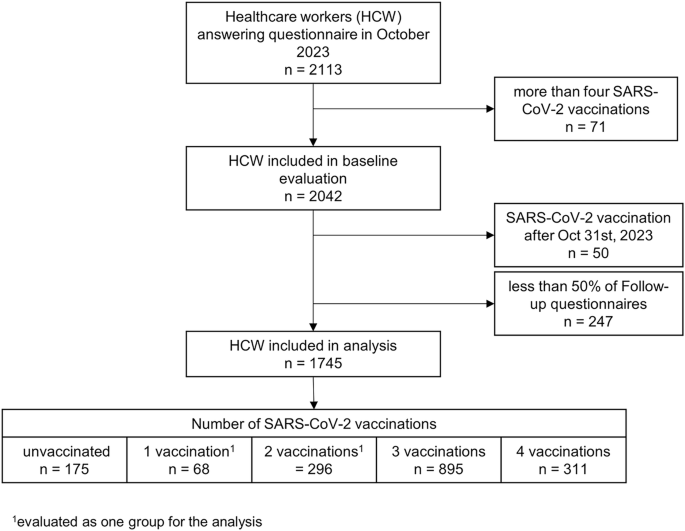
    Association of SARS-CoV-2 vaccination status with risk of influenza-like illness and loss of workdays in healthcare workers

    ​Based on our data, we conclude that SARS-CoV-2 booster vaccination does not contribute to the protection of the healthcare workforce in a post-pandemic setting. SARS-CoV-2 vaccination may even temporarily increase the likelihood of symptomatic infection and workday loss.​

    https://www.nature.com/articles/s43856-025-01046-8
    And this if from 'Nature' magazine, vaccine lovers, one of the most recognized scientific journals available . . . Association of SARS-CoV-2 vaccination status with risk of influenza-like illness and loss of workdays in healthcare workers ​Based on our data, we conclude that SARS-CoV-2 booster vaccination does not contribute to the protection of the healthcare workforce in a post-pandemic setting. SARS-CoV-2 vaccination may even temporarily increase the likelihood of symptomatic infection and workday loss.​ https://www.nature.com/articles/s43856-025-01046-8
    WWW.NATURE.COM
    Association of SARS-CoV-2 vaccination status with risk of influenza-like illness and loss of workdays in healthcare workers - Communications Medicine
    Dörr, Lacy et al. evaluate the association between SARS-CoV-2 vaccination status and influenza-like illness and sick leave among 1745 Swiss healthcare workers. SARS CoV-2 vaccination is associated with increased illness symptoms and more days of sick leave, while influenza vaccination is associated with a decreased risk of both outcomes.
    0 Commentarii 0 Partajări 2K Vizualizări 0 Recenzii
Mai multe rezultate
Sponsor
FriendVu https://friendvu.com