
• Here's the breakdown in plain terms:


    ## Who's fighting whom


    Yemen has been split in two since 2014:


    - **The Houthis** (also called "Ansar Allah") — a Zaydi Shia rebel group from northern Yemen. They seized the capital Sanaa in 2014 and control most of the north and west. They just captured the Red Sea coastline, including the critical **Bab al-Mandeb Strait** (the chokepoint between the Red Sea and Indian Ocean, through which a huge share of global shipping passes).


    - **The Yemeni Government** (the "Presidential Leadership Council" or PLC), led by **Rashad al-Alimi** — the internationally recognized government, based in the south. The "general mobilization" is *him* calling on Yemenis to join his forces to fight the Houthis. He's offering amnesty to Houthi fighters who defect.


    ## Who's paying and backing each side


    | Side | Backed by | What they get |
    |------|-----------|---------------|
    | **Houthis** | **Iran** (primary), plus reported support from Russia and China | Weapons, ballistic missiles, drone technology, military training (via Hezbollah and the IRGC), **free oil shipments**, funding through exchange networks in Yemen, Turkey, and the Caribbean |
    | **Yemeni Government (PLC)** | **Saudi Arabia** (primary), plus the US and UK | Military funding, air support, intelligence, political recognition at the UN |


    So this is fundamentally an **Iran vs. Saudi Arabia proxy war**, with the US/UK on the Saudi side. The Houthis also attack Israeli and Western shipping, which ties them to the broader US-Iran conflict that started in February 2026.


    ## Where the Houthis came from


    They emerged in the 1990s in Yemen's northern Saada province, from Yemen's **Zaydi Shia minority** (a different branch of Shia Islam than Iran's Twelver Shia, but Iran still backs them ideologically). They fought six wars against Yemen's government starting in 2004, then seized Sanaa in 2014 when the government was weakened by a popular uprising.


    ## Why @BRICSNews posted it


    This is the tricky part. **BRICS** is a bloc of 11+ countries (Brazil, Russia, India, China, South Africa, Iran, Saudi Arabia, UAE, Egypt, Ethiopia, etc.) that positions itself as an alternative to the Western-led order. But on Yemen, **BRICS is split down the middle**:


    - **Iran, Russia, China** → support the Houthis
    - **Saudi Arabia, UAE, Egypt** → oppose the Houthis


    At the BRICS summit in New Delhi in September 2026 (held at the *exact moment* the Houthis were seizing the Red Sea coast), the final declaration **deliberately omitted any mention of Yemen, the Houthis, or the Red Sea**. The only thing they agreed on was a vague call for "maximum restraint."


    So when @BRICSNews posts this, it's not a unified "BRICS position" — it's likely a member state (probably Iran or Russia) using the BRICS account to frame the story in their favour: that the Yemeni government is the aggressor and the Houthis are the legitimate defenders. It's **propaganda framing**, not a consensus statement.


    ## In one sentence for a Canadian


    A Saudi-backed government in southern Yemen is calling up its citizens to fight an Iran-backed rebel group that just seized the country's Red Sea coast — and a media account associated with a bloc of countries that contains *both* sides of the conflict is posting it as if it's a unified position.
    Here's the breakdown in plain terms: ## Who's fighting whom Yemen has been split in two since 2014: - **The Houthis** (also called "Ansar Allah") — a Zaydi Shia rebel group from northern Yemen. They seized the capital Sanaa in 2014 and control most of the north and west. They just captured the Red Sea coastline, including the critical **Bab al-Mandeb Strait** (the chokepoint between the Red Sea and Indian Ocean, through which a huge share of global shipping passes). - **The Yemeni Government** (the "Presidential Leadership Council" or PLC), led by **Rashad al-Alimi** — the internationally recognized government, based in the south. The "general mobilization" is *him* calling on Yemenis to join his forces to fight the Houthis. He's offering amnesty to Houthi fighters who defect. ## Who's paying and backing each side | Side | Backed by | What they get | |------|-----------|---------------| | **Houthis** | **Iran** (primary), plus reported support from Russia and China | Weapons, ballistic missiles, drone technology, military training (via Hezbollah and the IRGC), **free oil shipments**, funding through exchange networks in Yemen, Turkey, and the Caribbean | | **Yemeni Government (PLC)** | **Saudi Arabia** (primary), plus the US and UK | Military funding, air support, intelligence, political recognition at the UN | So this is fundamentally an **Iran vs. Saudi Arabia proxy war**, with the US/UK on the Saudi side. The Houthis also attack Israeli and Western shipping, which ties them to the broader US-Iran conflict that started in February 2026. ## Where the Houthis came from They emerged in the 1990s in Yemen's northern Saada province, from Yemen's **Zaydi Shia minority** (a different branch of Shia Islam than Iran's Twelver Shia, but Iran still backs them ideologically). They fought six wars against Yemen's government starting in 2004, then seized Sanaa in 2014 when the government was weakened by a popular uprising. ## Why @BRICSNews posted it This is the tricky part. **BRICS** is a bloc of 11+ countries (Brazil, Russia, India, China, South Africa, Iran, Saudi Arabia, UAE, Egypt, Ethiopia, etc.) that positions itself as an alternative to the Western-led order. But on Yemen, **BRICS is split down the middle**: - **Iran, Russia, China** → support the Houthis - **Saudi Arabia, UAE, Egypt** → oppose the Houthis At the BRICS summit in New Delhi in September 2026 (held at the *exact moment* the Houthis were seizing the Red Sea coast), the final declaration **deliberately omitted any mention of Yemen, the Houthis, or the Red Sea**. The only thing they agreed on was a vague call for "maximum restraint." So when @BRICSNews posts this, it's not a unified "BRICS position" — it's likely a member state (probably Iran or Russia) using the BRICS account to frame the story in their favour: that the Yemeni government is the aggressor and the Houthis are the legitimate defenders. It's **propaganda framing**, not a consensus statement. ## In one sentence for a Canadian A Saudi-backed government in southern Yemen is calling up its citizens to fight an Iran-backed rebel group that just seized the country's Red Sea coast — and a media account associated with a bloc of countries that contains *both* sides of the conflict is posting it as if it's a unified position.
    0 Commentarios 0 Veces compartido 45 Visualizaciones 0 Reseñas
  • A Strange Chain Reaction Is Causing Antarctica to Grow. The Scary Part Is What Happens When It Stops.
    Despite surprising recent ice gains, the frozen continent remains in a perilous balance as warmer seas continue to erode the Antarctic Ice Sheet from below.
    By Darren Orf
    https://www.popularmechanics.com/science/environment/a73655068/antarctica-ice-increasing
    A Strange Chain Reaction Is Causing Antarctica to Grow. The Scary Part Is What Happens When It Stops. Despite surprising recent ice gains, the frozen continent remains in a perilous balance as warmer seas continue to erode the Antarctic Ice Sheet from below. By Darren Orf https://www.popularmechanics.com/science/environment/a73655068/antarctica-ice-increasing
    WWW.POPULARMECHANICS.COM
    A Strange Chain Reaction Is Causing Antarctica to Grow. The Scary Part Is What Happens When It Stops.
    Despite surprising recent ice gains, the frozen continent remains in a perilous balance as warmer seas continue to erode the Antarctic Ice Sheet from below.
    0 Commentarios 0 Veces compartido 78 Visualizaciones 0 Reseñas
  • With many areas of North America suffering or having suffered various levels of wildfires this summer, and with discussions above and below the 49th Parallel centering around whether or not governments are doing enough to mitigate forest fire potential and better fight forest fires, fire mitigation and forest fuel management are popping up more and more frequently.


    One method of protecting property . . . is the use of vegetation that doesn't easily catch fire or stay aflame.


    As foragers, we can do our bit for forest management, by harvesting the peeling/shedding bark of the Ponderosa Pine tree, taking it home, grinding it up, and using it in place of cinnamon in our cooking, baking, drinks, etc. When we see downed branches with green pine, spruce or fir needles, we can snap off needle bunches and take them home as well. We can gather unopened green or brown cones of pine, spruce and fir, and make mugolio from them. Sap and resin that has hardened on the outside of conifer trunks can be broken off and taken home for use in salves and oils. Its easiest to harvest in winter


    Brown pine needles can be gathered and used to weave baskets and mats. Opened cones laying on the ground can be gathered for use in fall and winter crafts such as table center-pieces, votive candle accents, wreaths, garlands, in decorative jars, etc. Gathering windfall or deadfall is an ethical way of stocking up your pantry and craft cupboard while doing your part in forest fuel management.


    https://naturalhealthgodsway.ca/2026/08/26/forest-fuel-management-foraging-style/
    With many areas of North America suffering or having suffered various levels of wildfires this summer, and with discussions above and below the 49th Parallel centering around whether or not governments are doing enough to mitigate forest fire potential and better fight forest fires, fire mitigation and forest fuel management are popping up more and more frequently. One method of protecting property . . . is the use of vegetation that doesn't easily catch fire or stay aflame. As foragers, we can do our bit for forest management, by harvesting the peeling/shedding bark of the Ponderosa Pine tree, taking it home, grinding it up, and using it in place of cinnamon in our cooking, baking, drinks, etc. When we see downed branches with green pine, spruce or fir needles, we can snap off needle bunches and take them home as well. We can gather unopened green or brown cones of pine, spruce and fir, and make mugolio from them. Sap and resin that has hardened on the outside of conifer trunks can be broken off and taken home for use in salves and oils. Its easiest to harvest in winter Brown pine needles can be gathered and used to weave baskets and mats. Opened cones laying on the ground can be gathered for use in fall and winter crafts such as table center-pieces, votive candle accents, wreaths, garlands, in decorative jars, etc. Gathering windfall or deadfall is an ethical way of stocking up your pantry and craft cupboard while doing your part in forest fuel management. https://naturalhealthgodsway.ca/2026/08/26/forest-fuel-management-foraging-style/
    0 Commentarios 0 Veces compartido 1K Visualizaciones 0 Reseñas
  • Trade Wars And Political Popularity!
    Connecting the dots...
    https://canadarisingcanadian2025backlash.substack.com/p/trade-wars-and-political-popularity
    Trade Wars And Political Popularity! Connecting the dots... https://canadarisingcanadian2025backlash.substack.com/p/trade-wars-and-political-popularity
    0 Commentarios 0 Veces compartido 260 Visualizaciones 0 Reseñas
  • Health Education: Empowering People to Make Informed Health Decisions
    Introduction
    Health Education is an essential part of promoting healthier individuals and communities. It provides people with reliable information and practical skills that can help them understand health risks, make informed decisions, and develop positive habits. Effective health education can address topics such as nutrition, physical activity, disease prevention, medication management, mental well-being DB FPX 8620 Assessment 4, and access to healthcare services.

    Healthcare organizations increasingly recognize that education is an important component of preventive and patient-centered care. Professionals developing healthcare leadership, organizational, and quality improvement skills through programs such as DB FPX 8620 Assessment 4 can apply these principles to design, evaluate, and improve health education initiatives.

    Understanding Health Education
    Health Education is the process of providing individuals and communities with knowledge and skills that support healthier choices. It can take place in hospitals, schools, workplaces, community centers, clinics, and online environments.

    Health education may focus on:

    Disease prevention
    Healthy nutrition
    Physical activity
    Personal hygiene
    Medication safety
    Mental well-being
    Chronic disease management
    Preventive healthcare
    The goal is not simply to provide information. Effective education helps people understand how health information applies to their own circumstances and what practical actions they can take.

    Importance of Health Education
    Health education plays an important role in prevention and early intervention. When people understand health risks and available resources, they may be better prepared to recognize concerns and seek appropriate professional support.

    Effective health education can help:

    Promote healthy behaviors
    Improve health literacy
    Reduce preventable risks
    Encourage preventive screenings
    Support chronic disease management
    Improve communication with healthcare providers
    Strengthen community health
    Education can also help individuals become active participants in their own healthcare.

    Health Literacy and Clear Communication
    Health literacy is closely connected to effective health education. People may struggle to make informed decisions if medical information is difficult to understand.

    Healthcare professionals can improve health literacy by using:

    Plain language
    Clear examples
    Visual materials
    Step-by-step instructions
    Opportunities for questions
    Appropriate educational resources
    Rather than overwhelming patients with technical information, educators should focus on the information most relevant to the individual's needs.

    Clear communication can improve understanding and help people feel more confident when managing health-related responsibilities.

    Role of Healthcare Professionals
    Many healthcare professionals contribute to health education. Nurses, physicians, pharmacists, dietitians, health educators, therapists, and community health workers may all provide education based on their areas of expertise.

    For example, nurses may educate patients about medications and recovery instructions. Dietitians may provide nutrition guidance, while pharmacists can explain medication use and potential concerns.

    Healthcare professionals should tailor education to the individual's age, language, cultural background, learning needs, and health condition.

    The leadership and organizational principles associated with DB FPX 8620 Assessment 4 can help professionals evaluate how educational services are delivered and identify opportunities to improve patient outcomes.

    Health Education in Communities
    Community-based education can reach people before serious health problems develop. Community programs may address topics such as nutrition DB FPX 8620 Assessment 5, exercise, vaccination, chronic disease prevention, and healthy lifestyles.

    Schools, workplaces, community organizations, and healthcare facilities can work together to provide accessible educational resources.

    Community health education can be especially valuable when programs are designed around local needs. Understanding the population's challenges, resources, and preferences allows organizations to develop more relevant initiatives.

    Technology and Health Education
    Technology has expanded access to health information. Websites, mobile applications, online courses, patient portals, and telehealth platforms can provide educational resources at convenient times.

    Digital health education may include:

    Online instructional videos
    Interactive learning materials
    Medication reminders
    Virtual classes
    Digital wellness programs
    Patient education portals
    However, digital information should come from reliable sources. Healthcare organizations should also consider privacy, accessibility, and differences in digital literacy.

    Technology should complement professional guidance rather than encourage people to rely on unreliable online information.

    Designing Effective Health Education Programs
    Successful health education programs should begin with clearly defined goals. Organizations need to understand what they want participants to learn or change.

    Important steps include:

    Assessing Needs
    Identify the population's health concerns, knowledge gaps, and barriers.

    Establishing Objectives
    Create specific and measurable learning goals.

    Selecting Educational Methods
    Choose appropriate formats, such as workshops, printed materials, digital resources, or one-on-one education.

    Delivering the Program
    Provide information in an accessible and engaging way.

    Evaluating Results
    Measure whether participants understood the material and whether the program achieved its objectives.

    Using a structured process helps organizations improve educational programs over time.

    Challenges in Health Education
    Health educators may encounter barriers such as misinformation, limited resources, language differences, low health literacy, and lack of community engagement.

    Another challenge is ensuring that information remains accurate as healthcare recommendations evolve.

    Organizations can address these issues through staff training, evidence-based materials, culturally responsive communication, and regular evaluation.

    Data can also help identify which educational strategies are most effective.

    Measuring Health Education Outcomes
    Evaluation is important because providing information does not automatically guarantee behavior change. Organizations should measure whether participants gained knowledge and whether the program influenced relevant health behaviors or outcomes.

    Possible measures include:

    Knowledge assessments
    Participation rates
    Patient feedback
    Behavioral indicators
    Screening participation
    Health outcome measures
    Professionals familiar with DB FPX 8620 Assessment 4 can use data and quality improvement principles to assess program performance and recommend improvements.

    Future of Health Education
    The future of health education will likely emphasize personalization, digital accessibility, interactive learning, and community partnerships. Artificial intelligence and data analytics may help organizations tailor educational resources to specific populations.

    Healthcare professionals will continue to play an important role in ensuring that information remains accurate, understandable, and relevant.

    Organizations that combine technology with human-centered communication can create more effective educational experiences.

    Conclusion
    Health Education empowers individuals and communities with the knowledge and skills needed to make informed health decisions. It supports prevention, health literacy, chronic disease management, and healthier behaviors.

    Successful health education requires clear communication, appropriate technology, community engagement, professional expertise, and continuous evaluation. The organizational and quality improvement concepts associated with DB FPX 8620 Assessment 4 can help professionals design and evaluate educational initiatives that respond to real community and patient needs.

    By making reliable health information accessible and understandable, healthcare organizations can empower people to participate more actively in their health and contribute to healthier communities.
    Health Education: Empowering People to Make Informed Health Decisions Introduction Health Education is an essential part of promoting healthier individuals and communities. It provides people with reliable information and practical skills that can help them understand health risks, make informed decisions, and develop positive habits. Effective health education can address topics such as nutrition, physical activity, disease prevention, medication management, mental well-being DB FPX 8620 Assessment 4, and access to healthcare services. Healthcare organizations increasingly recognize that education is an important component of preventive and patient-centered care. Professionals developing healthcare leadership, organizational, and quality improvement skills through programs such as DB FPX 8620 Assessment 4 can apply these principles to design, evaluate, and improve health education initiatives. Understanding Health Education Health Education is the process of providing individuals and communities with knowledge and skills that support healthier choices. It can take place in hospitals, schools, workplaces, community centers, clinics, and online environments. Health education may focus on: Disease prevention Healthy nutrition Physical activity Personal hygiene Medication safety Mental well-being Chronic disease management Preventive healthcare The goal is not simply to provide information. Effective education helps people understand how health information applies to their own circumstances and what practical actions they can take. Importance of Health Education Health education plays an important role in prevention and early intervention. When people understand health risks and available resources, they may be better prepared to recognize concerns and seek appropriate professional support. Effective health education can help: Promote healthy behaviors Improve health literacy Reduce preventable risks Encourage preventive screenings Support chronic disease management Improve communication with healthcare providers Strengthen community health Education can also help individuals become active participants in their own healthcare. Health Literacy and Clear Communication Health literacy is closely connected to effective health education. People may struggle to make informed decisions if medical information is difficult to understand. Healthcare professionals can improve health literacy by using: Plain language Clear examples Visual materials Step-by-step instructions Opportunities for questions Appropriate educational resources Rather than overwhelming patients with technical information, educators should focus on the information most relevant to the individual's needs. Clear communication can improve understanding and help people feel more confident when managing health-related responsibilities. Role of Healthcare Professionals Many healthcare professionals contribute to health education. Nurses, physicians, pharmacists, dietitians, health educators, therapists, and community health workers may all provide education based on their areas of expertise. For example, nurses may educate patients about medications and recovery instructions. Dietitians may provide nutrition guidance, while pharmacists can explain medication use and potential concerns. Healthcare professionals should tailor education to the individual's age, language, cultural background, learning needs, and health condition. The leadership and organizational principles associated with DB FPX 8620 Assessment 4 can help professionals evaluate how educational services are delivered and identify opportunities to improve patient outcomes. Health Education in Communities Community-based education can reach people before serious health problems develop. Community programs may address topics such as nutrition DB FPX 8620 Assessment 5, exercise, vaccination, chronic disease prevention, and healthy lifestyles. Schools, workplaces, community organizations, and healthcare facilities can work together to provide accessible educational resources. Community health education can be especially valuable when programs are designed around local needs. Understanding the population's challenges, resources, and preferences allows organizations to develop more relevant initiatives. Technology and Health Education Technology has expanded access to health information. Websites, mobile applications, online courses, patient portals, and telehealth platforms can provide educational resources at convenient times. Digital health education may include: Online instructional videos Interactive learning materials Medication reminders Virtual classes Digital wellness programs Patient education portals However, digital information should come from reliable sources. Healthcare organizations should also consider privacy, accessibility, and differences in digital literacy. Technology should complement professional guidance rather than encourage people to rely on unreliable online information. Designing Effective Health Education Programs Successful health education programs should begin with clearly defined goals. Organizations need to understand what they want participants to learn or change. Important steps include: Assessing Needs Identify the population's health concerns, knowledge gaps, and barriers. Establishing Objectives Create specific and measurable learning goals. Selecting Educational Methods Choose appropriate formats, such as workshops, printed materials, digital resources, or one-on-one education. Delivering the Program Provide information in an accessible and engaging way. Evaluating Results Measure whether participants understood the material and whether the program achieved its objectives. Using a structured process helps organizations improve educational programs over time. Challenges in Health Education Health educators may encounter barriers such as misinformation, limited resources, language differences, low health literacy, and lack of community engagement. Another challenge is ensuring that information remains accurate as healthcare recommendations evolve. Organizations can address these issues through staff training, evidence-based materials, culturally responsive communication, and regular evaluation. Data can also help identify which educational strategies are most effective. Measuring Health Education Outcomes Evaluation is important because providing information does not automatically guarantee behavior change. Organizations should measure whether participants gained knowledge and whether the program influenced relevant health behaviors or outcomes. Possible measures include: Knowledge assessments Participation rates Patient feedback Behavioral indicators Screening participation Health outcome measures Professionals familiar with DB FPX 8620 Assessment 4 can use data and quality improvement principles to assess program performance and recommend improvements. Future of Health Education The future of health education will likely emphasize personalization, digital accessibility, interactive learning, and community partnerships. Artificial intelligence and data analytics may help organizations tailor educational resources to specific populations. Healthcare professionals will continue to play an important role in ensuring that information remains accurate, understandable, and relevant. Organizations that combine technology with human-centered communication can create more effective educational experiences. Conclusion Health Education empowers individuals and communities with the knowledge and skills needed to make informed health decisions. It supports prevention, health literacy, chronic disease management, and healthier behaviors. Successful health education requires clear communication, appropriate technology, community engagement, professional expertise, and continuous evaluation. The organizational and quality improvement concepts associated with DB FPX 8620 Assessment 4 can help professionals design and evaluate educational initiatives that respond to real community and patient needs. By making reliable health information accessible and understandable, healthcare organizations can empower people to participate more actively in their health and contribute to healthier communities.
    0 Commentarios 0 Veces compartido 2K Visualizaciones 0 Reseñas
  • Best Online MCA Course in Delhi


    The Online MCA course in Delhi is an excellent choice for students and working professionals who want to build a successful career in the IT sector. These programs provide flexible learning, industry-oriented curriculum, and knowledge of advanced technologies like programming, data science, artificial intelligence, and software development. Leading universities offer online MCA programs with expert faculty, digital learning resources, and career support. Popular choices include recognized institutions such as IGNOU, Amity University Online, and other UGC-approved universities. An Online MCA helps learners enhance technical skills while managing their professional and personal commitments. https://www.mcmacademy.in/blog/online-mca-in-delhi/
    Best Online MCA Course in Delhi The Online MCA course in Delhi is an excellent choice for students and working professionals who want to build a successful career in the IT sector. These programs provide flexible learning, industry-oriented curriculum, and knowledge of advanced technologies like programming, data science, artificial intelligence, and software development. Leading universities offer online MCA programs with expert faculty, digital learning resources, and career support. Popular choices include recognized institutions such as IGNOU, Amity University Online, and other UGC-approved universities. An Online MCA helps learners enhance technical skills while managing their professional and personal commitments. https://www.mcmacademy.in/blog/online-mca-in-delhi/
    0 Commentarios 0 Veces compartido 679 Visualizaciones 0 Reseñas
  • What Are Flock Cameras, and Why Do People Hate Them?
    The automated data-scanning and -collecting cameras are popping up all over the country. Vandalism has brought the issue to the forefront.
    by Thomas Gallatin
    https://www.minds.com/newsfeed/1924816394365440000?referrer=john_f_burke
    What Are Flock Cameras, and Why Do People Hate Them? The automated data-scanning and -collecting cameras are popping up all over the country. Vandalism has brought the issue to the forefront. by Thomas Gallatin https://www.minds.com/newsfeed/1924816394365440000?referrer=john_f_burke
    WWW.MINDS.COM
    What Are Flock Cameras, and Why Do People Hate Them? The automated data-scanning and -collecting cameras are popping up all over the country. Vandalism has brought the issue to the forefront. by Thomas Gallatin https://patriotpost.us/ar... | Minds
    ... automated data-scanning and -collecting cameras are popping up all over the country. Vandalism has brought the issue to the forefront. by Thomas Gallatin https://patriotpost.us/articles/12914...
    0 Commentarios 0 Veces compartido 365 Visualizaciones 0 Reseñas
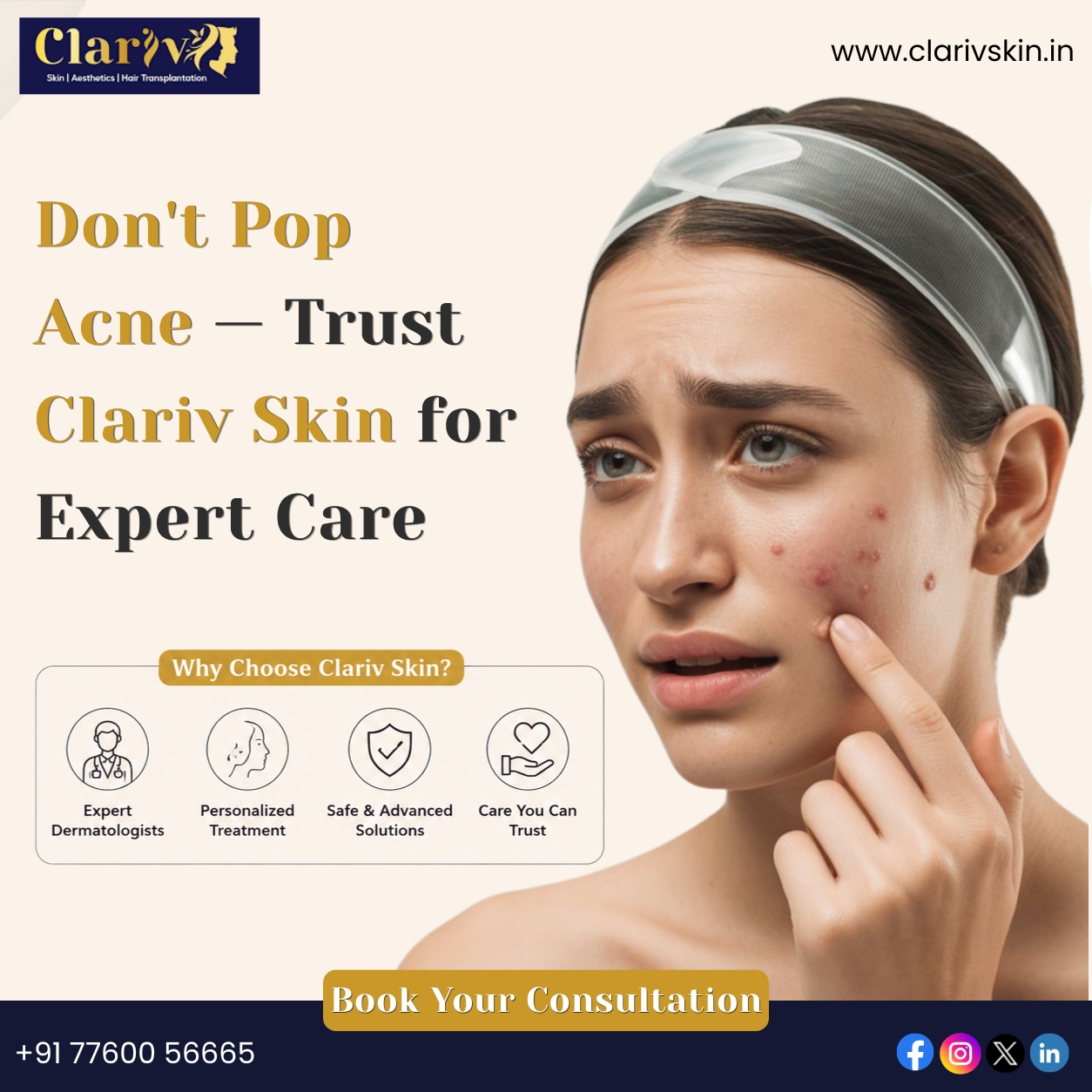
  • Popping pimples may seem like a quick fix, but it can lead to irritation and lasting marks.

    At Clariv Skin, we focus on understanding your skin and providing personalized acne treatments that support healthier, clearer skin.

    Take the first step towards skin you'll feel confident in.

    📞 Call Now: +91 77600 56665

    🌐 View: https://www.clarivskin.in/

    #ClarivSkin #AcneCare #HealthySkin #ClearSkinJourney #DermatologistRecommended #SkinCareTips #AcneTreatment #SkinHealth #GlowingSkin #SkincareRoutine #ConfidenceStartsHere #PersonalizedSkincare #PimpleCare #SkinClinic #BookYourConsultation #Bangalore
    Popping pimples may seem like a quick fix, but it can lead to irritation and lasting marks. At Clariv Skin, we focus on understanding your skin and providing personalized acne treatments that support healthier, clearer skin. Take the first step towards skin you'll feel confident in. 📞 Call Now: +91 77600 56665 🌐 View: https://www.clarivskin.in/ #ClarivSkin #AcneCare #HealthySkin #ClearSkinJourney #DermatologistRecommended #SkinCareTips #AcneTreatment #SkinHealth #GlowingSkin #SkincareRoutine #ConfidenceStartsHere #PersonalizedSkincare #PimpleCare #SkinClinic #BookYourConsultation #Bangalore
    0 Commentarios 0 Veces compartido 2K Visualizaciones 0 Reseñas
  • The Carney Paradox!
    Why a Country Can Grow Poorer While Its Government Grows More Popular
    🇨🇦 #MarkCarneyCantBeTrusted 🇨🇦
    🇨🇦 #SayingTheQuietPartOutLoud 🇨🇦
    🇨🇦 #JustSayNoMore 🇨🇦
    🇨🇦 #CarneyLies 🇨🇦
    https://www.freedomtoffend.com/p/the-carney-paradox
    The Carney Paradox! Why a Country Can Grow Poorer While Its Government Grows More Popular 🇨🇦 #MarkCarneyCantBeTrusted 🇨🇦 🇨🇦 #SayingTheQuietPartOutLoud 🇨🇦 🇨🇦 #JustSayNoMore 🇨🇦 🇨🇦 #CarneyLies 🇨🇦 https://www.freedomtoffend.com/p/the-carney-paradox
    WWW.FREEDOMTOFFEND.COM
    The Carney Paradox
    Why a Country Can Grow Poorer While Its Government Grows More Popular
    0 Commentarios 0 Veces compartido 187 Visualizaciones 0 Reseñas
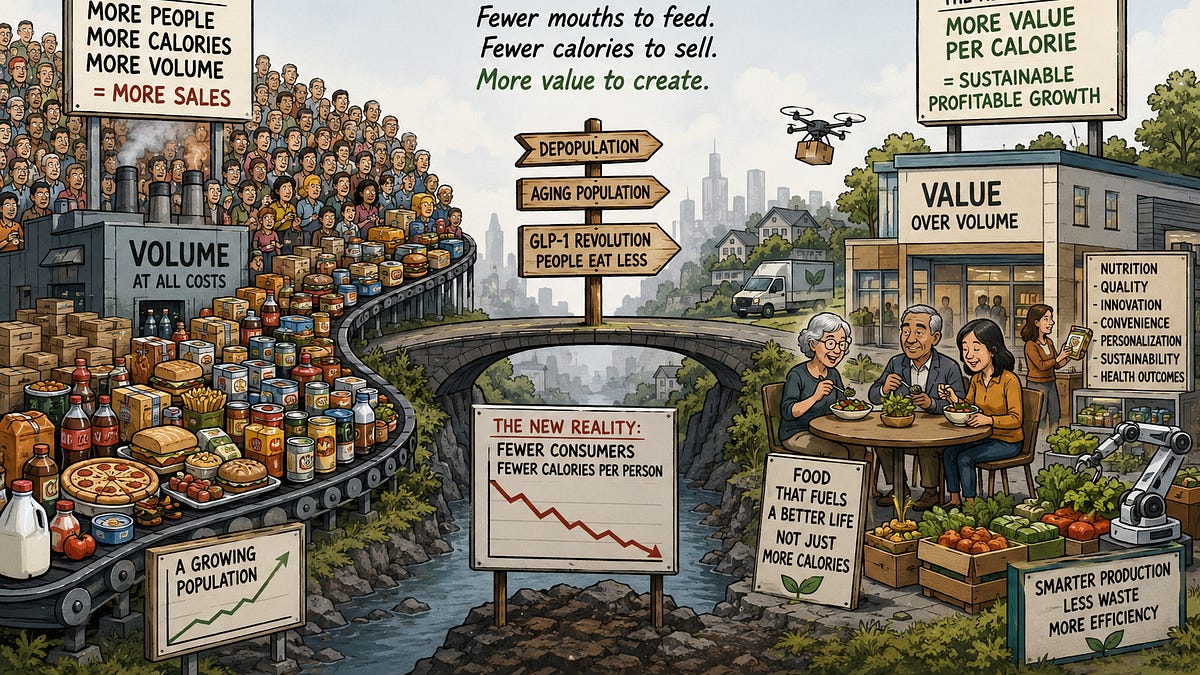
  • The Demographic Diet
    After Climate Change, Depopulation Will Be the Agri-Food Sector's Greatest Challenge.
    by Dr. Sylvain Charlebois
    🇨🇦 #MarkCarneyCantBeTrusted 🇨🇦
    🇨🇦 #SayingTheQuietPartOutLoud 🇨🇦
    🇨🇦 #JustSayNoMore 🇨🇦
    🇨🇦 #CarneyLies 🇨🇦
    https://agrifoodanalyticslab.substack.com/p/the-demographic-diet
    The Demographic Diet After Climate Change, Depopulation Will Be the Agri-Food Sector's Greatest Challenge. by Dr. Sylvain Charlebois 🇨🇦 #MarkCarneyCantBeTrusted 🇨🇦 🇨🇦 #SayingTheQuietPartOutLoud 🇨🇦 🇨🇦 #JustSayNoMore 🇨🇦 🇨🇦 #CarneyLies 🇨🇦 https://agrifoodanalyticslab.substack.com/p/the-demographic-diet
    AGRIFOODANALYTICSLAB.SUBSTACK.COM
    The Demographic Diet
    After Climate Change, Depopulation Will Be the Agri-Food Sector's Greatest Challenge.
    0 Commentarios 0 Veces compartido 383 Visualizaciones 0 Reseñas
Más resultados
Patrocinados
FriendVu https://friendvu.com